Prices are in local currency: Mexican pesos (MX$); US$1 was about MX$19.2 on November 23, 2026. Fees change, so check the official sites before you go.
I recommend 17 of the best places to visit in Mexico, and I have been to every one of them in person: Tulum, its ruins and Xpu-Há beach on the Riviera Maya; Oaxaca City with Monte Albán and Mitla; Mexico City (CDMX) and Teotihuacán; five getaways in the State of Mexico (Tepotzotlán, Toluca, Metepec, the Otomí Ceremonial Center and La Marquesa); the Pueblos Mágicos (towns Mexico has officially designated as “Magic Towns”) of Tepoztlán, Atlixco and Peña de Bernal; and Puerto Vallarta on the Pacific. Tulum takes three days, Oaxaca needs a week, and seven day trips leave from the capital.
I’m José G., I’m Peruvian, and I live in Mexico City. I went to these places between September 2023 and June 2026, and each one has its own guide with my photos. The prices I give are the current ones from each guide, not what I paid on my trip.
Summary: days and prices for each place
Prices in Mexican pesos, with the date of the source each guide uses.
| Destination | Days | Reference price |
|---|---|---|
| Tulum archaeological site | Half a day | MX$265 foreigners, MX$80 Mexicans (INAH, Oct. 2026) |
| Tulum | 3 | Ruins and Cobá: MX$475 foreigner, MX$185 Mexican (INAH) |
| Xpu-Há Beach | 1 | MX$250 per person, as food and drink credit (2026) |
| Oaxaca City and valleys | 5 to 7 | MX$5,000–7,000 per person for the week, not counting lodging |
| Monte Albán | Half a day | MX$210 foreigners, MX$105 Mexicans (INAH, 2026) |
| Mitla | Half a day | MX$210 foreigners, MX$105 Mexicans (INAH, Oct. 2026) |
| Mexico City | 3 to 5 | Metro MX$5 (June 2026); Anthropology Museum MX$105 for Mexicans (INAH) |
| Teotihuacán | 1 | MX$210 general admission, MX$105 Mexicans (INAH, Mar. 2026) |
| Tepotzotlán | Half a day | Museo del Virreinato MX$105 for Mexicans (INAH) |
| Toluca (Cosmovitral) | Half a day | MX$25, latest reference (Aug. 2026) |
| Metepec | Half a day | Museo del Barro free; train MX$80 (SICT) |
| Otomí Ceremonial Center | Half a day | No official fee published (Oct. 2026) |
| La Marquesa | 1 | Horseback riding MX$220 per hour, latest reference (Oct. 2026) |
| Tepoztlán | 1 | MX$210 foreigners, MX$105 Mexicans (INAH, Oct. 2026) |
| Atlixco | Weekend from Mexico City | Round-trip bus MX$530–676 (Oct. 2025) |
| Peña de Bernal | Weekend | MX$30 to hike up (Aug. 2026) |
| Puerto Vallarta | 3 or 4 | Boat to Yelapa MX$380, latest reference (Aug. 2021) |
Riviera Maya: Tulum and Xpu-Há
I went to Tulum more than once between November 2025 and June 2026. The first time I flew from AIFA (Felipe Ángeles International Airport): Tulum’s airport is in the municipality of Felipe Carrillo Puerto, outside town, and when you land you set your watch one hour ahead. Today you can reach AIFA by train from Buenavista for MX$110 (Fonadin, September 2026), as I explain in AIFA to Tulum.
Tulum
There are fewer tourists, but prices didn’t drop: at the famous restaurants a dish runs about MX$350, and when I went, taxi drivers told me they charge outsiders MX$500 for a 20- or 25-minute ride. Uber has operated since October 20, 2026, and that changes the math (how to get around Tulum now). Three days is enough: ruins and beach, then Cobá and a cenote, and finally the hotel zone or Sian Ka’an, with fixed entry fees of MX$475 for a foreigner and MX$185 for a Mexican between the ruins and Cobá (INAH, Mexico’s National Institute of Anthropology and History), all laid out in Tulum in 3 days.
Tulum archaeological site
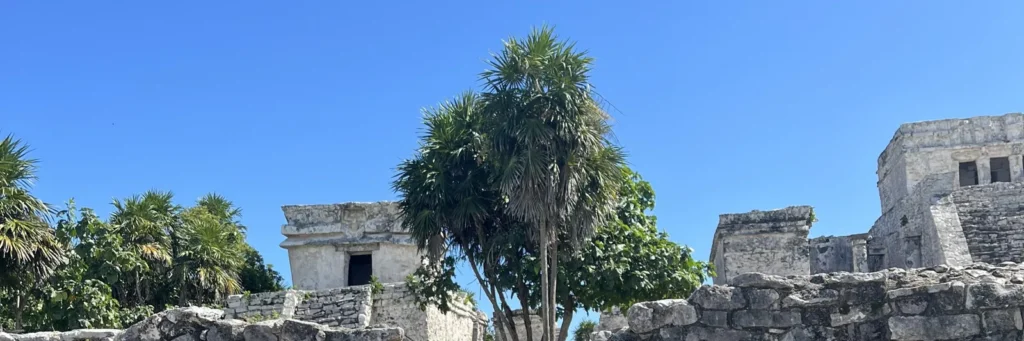
It is the walled Maya city facing the Caribbean, at km 230 of Highway 307 and 1 km from town. It costs MX$265 for foreigners and MX$80 for Mexicans, with the CONANP (protected areas) fee included, and it is open from 8 a.m. to 5 p.m., with last entry at 3:30 p.m. (INAH, October 2026). I went on November 22, 2025, and went in at midday, which I wouldn’t do again: there is almost no shade, so get there at 8 a.m. and plan on an hour and a half to two hours (Tulum ruins: price and how to get there).
Xpu-Há Beach
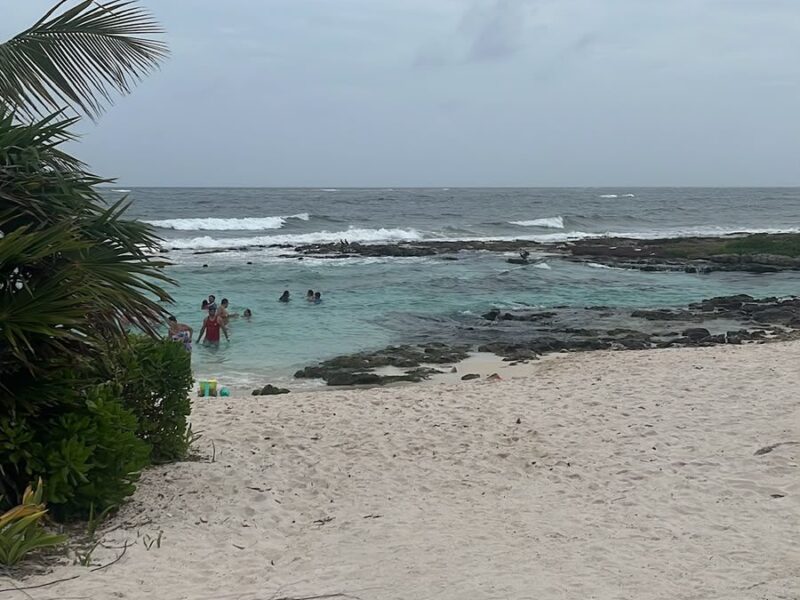
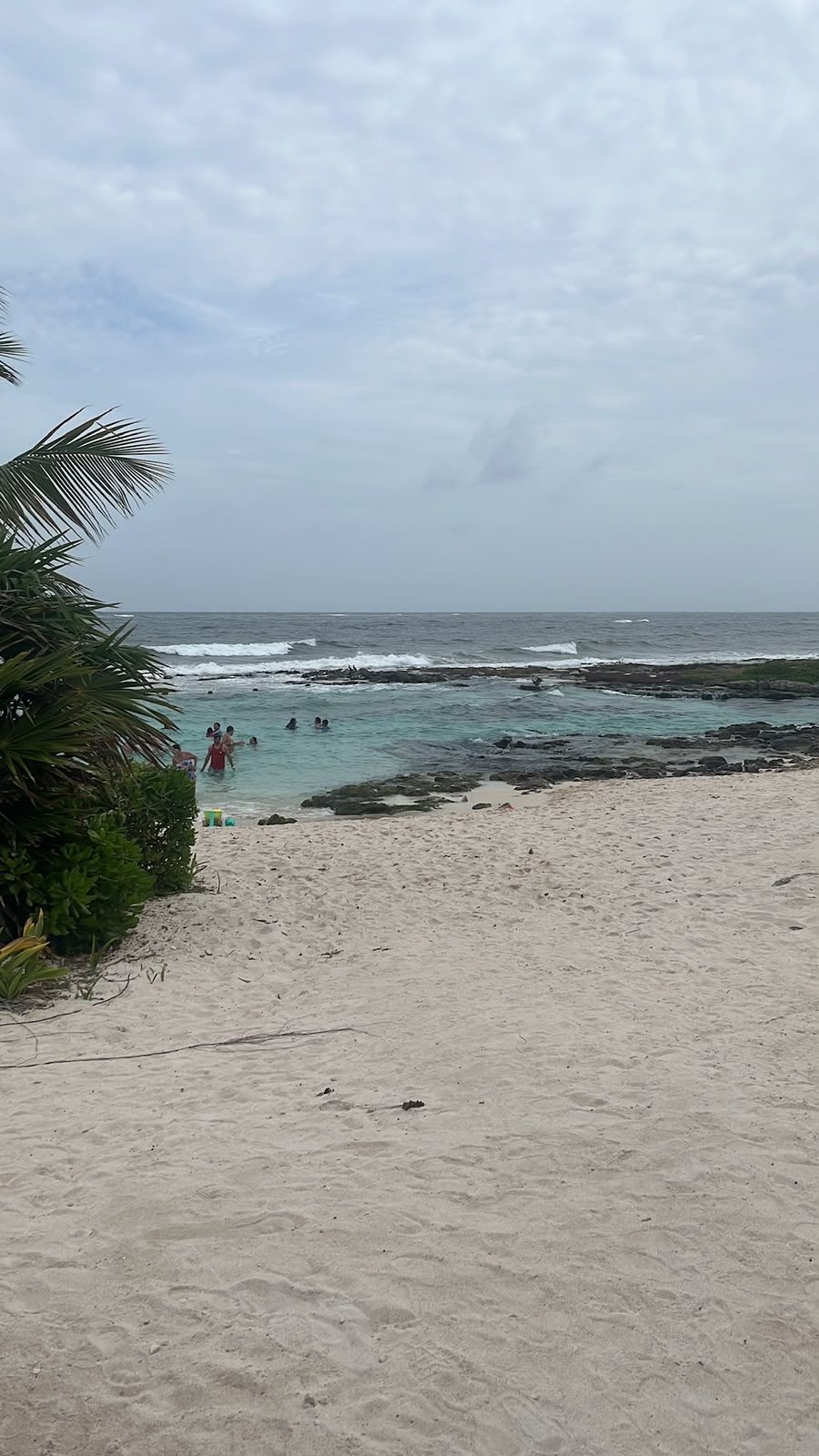
My best beach day on the Riviera was here, 20 to 30 minutes from Tulum and from Playa del Carmen along Highway 307. The beach club charges MX$250 per person, which becomes credit for food and drinks, and dishes run MX$180–220. When I went there was no sargassum, and there is a natural pool among the rocks; I would choose it again over Akumal, unless you want to swim with turtles. You can get there by colectivo, a shared van (Xpu-Há beach: prices and how to get there).
Oaxaca: the city, Monte Albán and Mitla
I was in Oaxaca in July 2024. The state is deceptive: on the map everything looks close, but the mountains and the coast cost you hours of winding roads, so the first days go to the city and the Central Valleys.
Oaxaca City and the Central Valleys
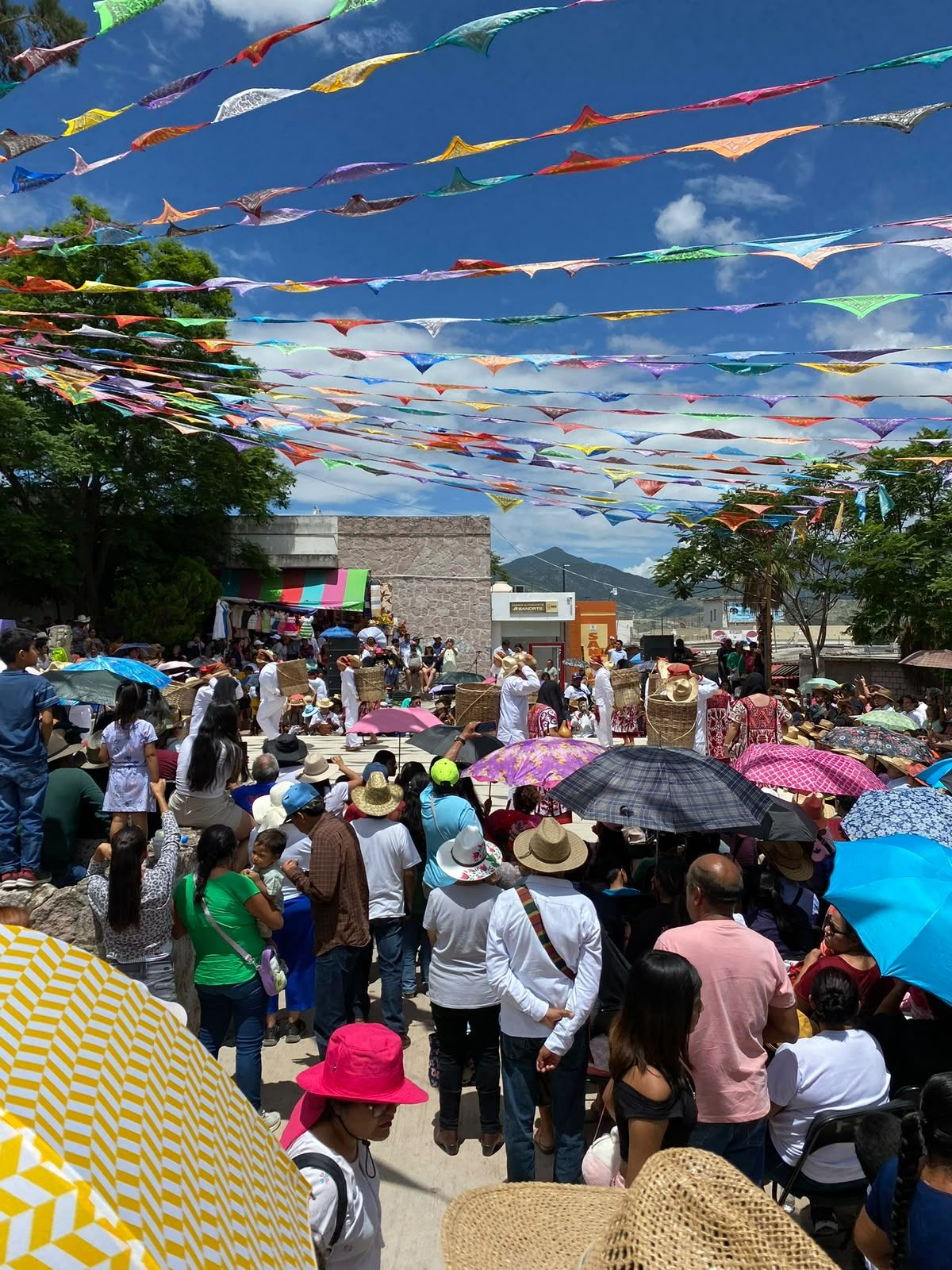
Downtown I came across a calenda (a street procession) with umbrellas and balloons, and at a palenque (mezcal distillery) I saw agave hearts roasting in an earth oven before tasting mezcal from a jícara (gourd cup). My 7-day Oaxaca itinerary adds Monte Albán, Mitla, Hierve el Agua, the Sierra Norte and the coast, with a cost of MX$5,000–7,000 per person for the week, not counting lodging. From October to March you get dry days and cool nights; with five days, stay in the city and the valleys.
Monte Albán
I went in July 2024. The old Zapotec capital sits on top of a hill right next to the city and is open every day from 8 a.m. to 5 p.m., with last entry at 4 p.m. It costs MX$210 for foreigners and MX$105 for Mexicans, site museum included, and on Sundays Mexicans and residents with ID get in free. In two or three hours you can see the Great Plaza and the Ball Court (Monte Albán: price and hours).
Mitla
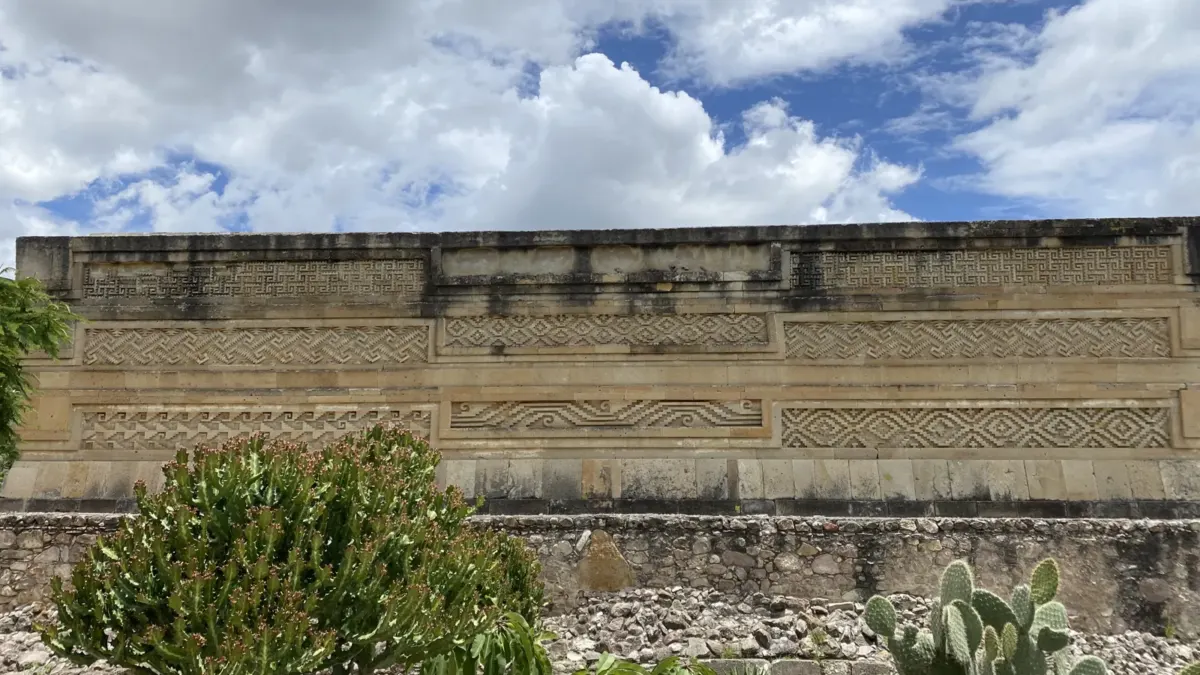
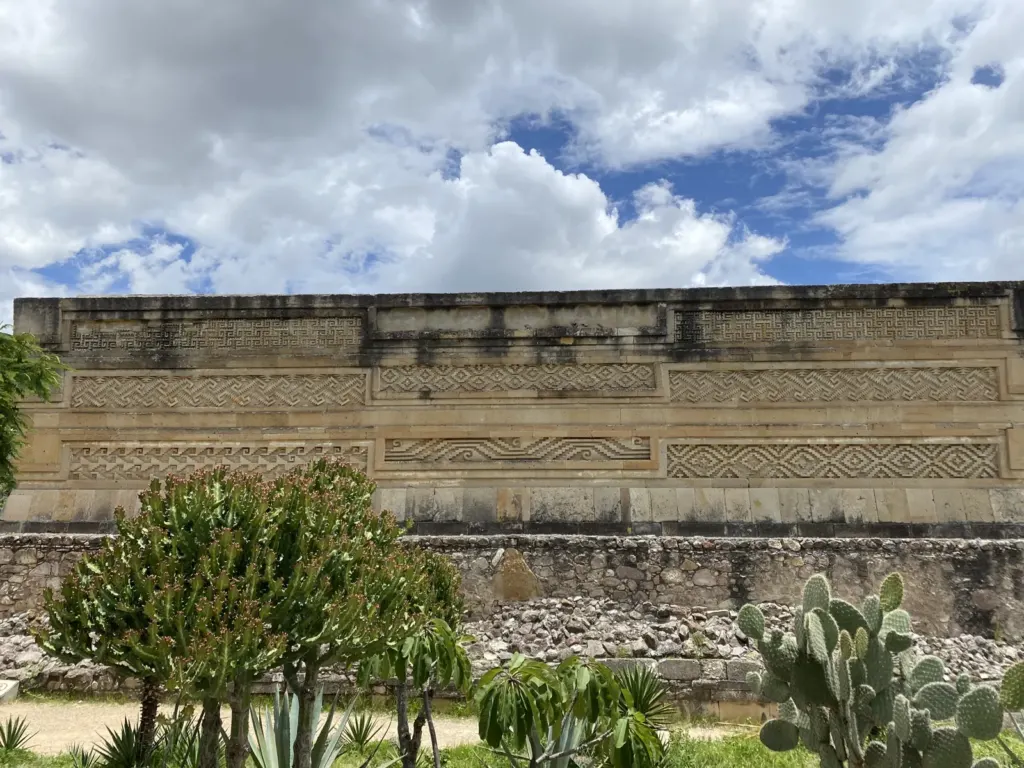
Also in July 2024. What sets Mitla apart is its grecas (stone fretwork): entire walls covered in stone mosaic, with pieces cut almost identical. It costs MX$210 for foreigners and MX$105 for Mexicans and is open from 8 a.m. to 5 p.m., with last entry at 4:30 p.m. (INAH, October 2026); you can see it in one or two hours, and the same day you can continue to Hierve el Agua, about 70 km from the state capital (Mitla: price and how to get there).
Mexico City and Teotihuacán
Mexico City
I live here, and almost every getaway on this list starts from here. The essentials fit into five areas (Centro Histórico, Chapultepec and Polanco, Roma and Condesa, Coyoacán, Xochimilco): with 3 days you cover the main sights and with 5 you can go without rushing. The Metro costs MX$5 (June 2026), and the National Museum of Anthropology, where I went in May 2024, charges MX$210 to foreigners and MX$105 to Mexicans (things to do in Mexico City).
Teotihuacán
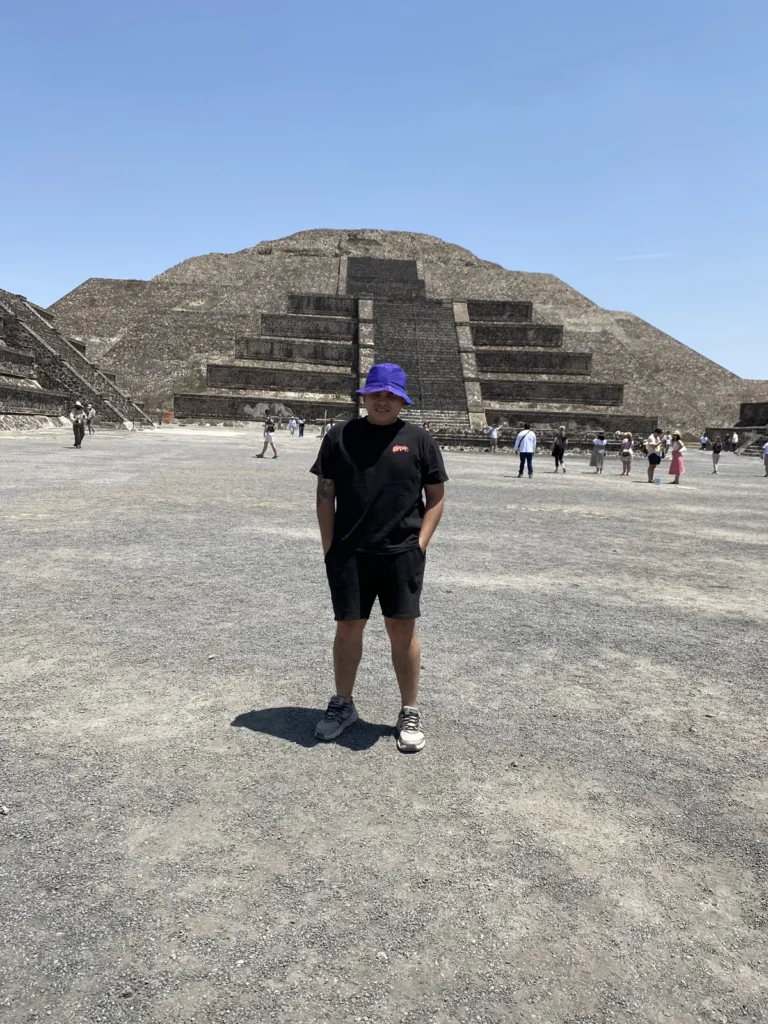
I went in April 2024 and returned in March 2026. General admission costs MX$210, and Mexicans and residents pay MX$105, free on Sundays; it is open from 8 a.m. to 5 p.m., with last entry at 4:30 p.m. (INAH bulletin 106, March 2026). You can no longer climb the Pyramid of the Sun, and at the Pyramid of the Moon you can only go up to the first platform. It is about 45 km away, and the bus from the Central del Norte terminal has charged MX$60 each way since October 2026 (how to visit Teotihuacán).
Day trips to the State of Mexico
The El Insurgente train, which since February 2026 runs the full line between Observatorio and Zinacantepec, changed these trips: Lerma, Metepec and Toluca are under an hour away without a car. Tepotzotlán is to the north, and you get there on the Tren Suburbano (commuter rail).
Tepotzotlán
I went in April 2025. It is the closest Pueblo Mágico to Mexico City and takes half a day: the National Museum of the Viceroyalty (Museo del Virreinato), in the former Jesuit college, costs MX$210 for foreigners and MX$105 for Mexicans and is open Tuesday to Sunday from 9 a.m. to 6 p.m. You get there in under an hour with the Tren Suburbano from Buenavista to Cuautitlán and a combi (minibus); don’t go on a Monday, when the museum is closed (things to do in Tepotzotlán).
Toluca and the Cosmovitral
I went in April 2026 to see the Cosmovitral, a botanical garden roofed by a stained-glass work by Leopoldo Flores with about 500,000 pieces of glass. It is open Tuesday to Saturday from 10 a.m. to 6 p.m. and Sundays from 10 a.m. to 3 p.m.; it has no official published fee, and the latest reference is MX$25 (August 2026). The train from Observatorio to Toluca Centro costs MX$90, and from there you go by taxi or ride-hailing app (Cosmovitral in Toluca).

Metepec
In May 2026 I visited the Museo del Barro (Clay Museum), which holds the world’s largest clay pot with its Guinness certificates next to it; it is free and open Tuesday to Sunday from 10 a.m. to 6 p.m. The trees of life (árboles de la vida) cost from MX$100 to MX$45,000 depending on size (Chilango). The train from Observatorio to Metepec costs MX$80 (SICT), but the station is far from the center and you have to finish the trip by taxi (things to do in Metepec).
Otomí Ceremonial Center
I went in March 2025 to this complex in Temoaya: a stone esplanade with stands, columns and cones, surrounded by forest, about 90 minutes from Mexico City by car. It is open every day from 9 a.m. to 5 p.m. and, as of October 4, 2026, there was no official published fee: bring cash and ask at the booth. It sits at around 3,000 meters of altitude, so bring a jacket (Otomí Ceremonial Center).

La Marquesa
In May 2026 I was in San Jerónimo Acazulco, next to the Valle del Silencio: oyamel fir forest, cabins and wooden restaurants by the stream. The national park is on the Mexico City–Toluca highway, about 35 km from Mexico City, and people go there to ride horses (latest reference: MX$220 per hour, October 2026), rent ATVs or eat trout. Without a car, take the El Insurgente train to Lerma for MX$70 and then a 10- to 15-minute taxi (La Marquesa: things to do and prices).
Pueblos Mágicos a few hours from Mexico City
Mexico has 177 Pueblos Mágicos. Besides Tepotzotlán and Metepec, I visited these three; there are more in Pueblos Mágicos in Mexico worth visiting and in Pueblos Mágicos near Mexico City.
Tepoztlán and the Tepozteco
I went in January 2024. The climb to the Tepozteco is 2 km of stone steps with 595 meters of elevation gain, about an hour to the top. It is open Wednesday to Sunday from 9 a.m. to 4 p.m., with last entry at 3 p.m., and costs MX$210 for foreigners and MX$105 for Mexicans (INAH, October 2026). The latest reference for the OCC bus from Taxqueña is MX$164 each way, with a 1 h 20 min ride (Tepozteco: price and hours).
Atlixco
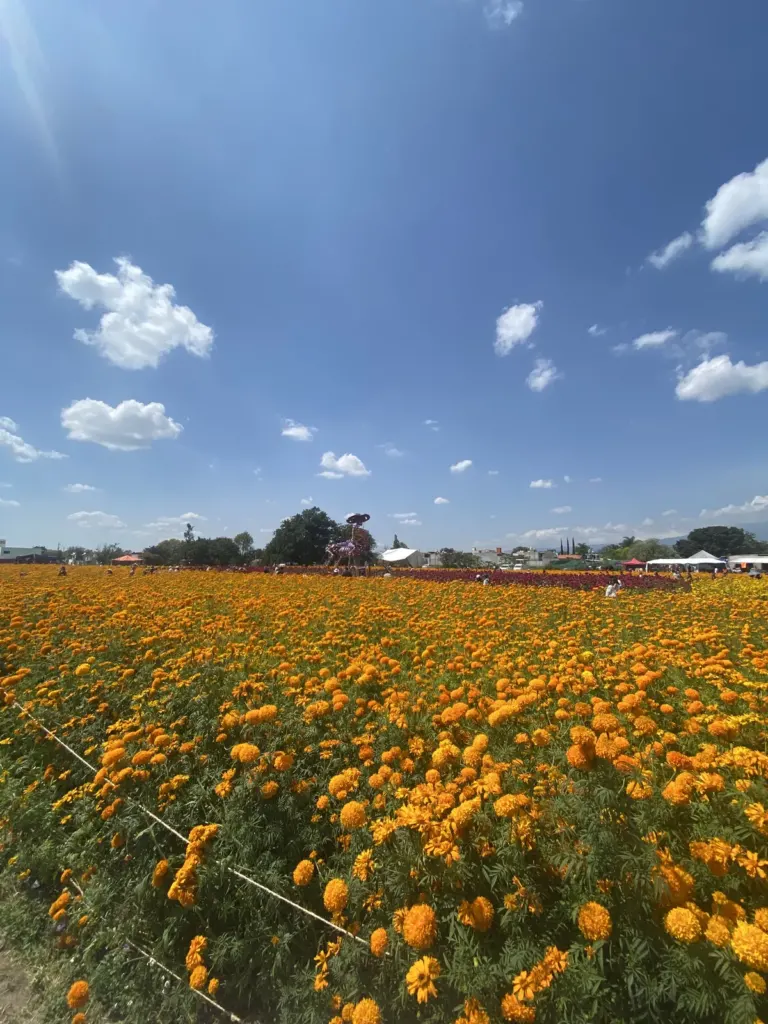
I went in October 2024 and found fields of cempasúchil (marigolds) in bloom, a giant skull in the plaza and streets of colorful houses. The climb up Cerro de San Miguel is free, and the Villa Iluminada (the town’s holiday light display) runs, according to the press, from November 13, 2026, to January 2, 2027. There is no direct bus from Mexico City: you go from the TAPO bus terminal to the CAPU terminal in Puebla and from there to Atlixco, MX$530–676 round trip (Escapadah, October 2025), as I explain in things to do in Atlixco.
Peña de Bernal
I was there in September 2023. Hiking the trail up the Peña costs MX$30 (N+, August 2026), and without gear you reach the upper part of the base, which already has a view; the summit is for rock climbers. By bus you go from the Terminal del Norte to Ezequiel Montes for MX$350–400 (April 2025), and by car you pay MX$226 in tolls each way (June 2026). Plan a weekend if you want to add the Art, Cheese and Wine Route (how to get to Peña de Bernal).
Beach on the Pacific: Puerto Vallarta
Puerto Vallarta
I went in March 2025. In three or four days you can see the malecón (waterfront promenade), the Zona Romántica, a southern beach by boat and, if you can get a spot, the Marietas Islands, where Playa del Amor allows 116 people a day and never on Mondays or Tuesdays (SEMARNAT). The boat to Yelapa takes about 55 minutes from Playa Los Muertos; its latest reference, MX$380 round trip, dates from August 2021, so confirm it at the pier. From Guadalajara it is about 5 hours by bus (things to do in Puerto Vallarta).
How to get around between destinations
For flying, I don’t recommend Volaris: its Zero fare only includes one personal item. If you can pay the difference, Aeroméxico was the most punctual airline in the world in 2025, with 90.02% of arrivals on time according to Cirium (Volaris, LATAM or Aeroméxico).
Other destinations with a guide on the site
- Cancún: things to do in Cancún and its best beaches.
- Guadalajara: things to do in Guadalajara and how to get to Tequila.
- Yucatán: Chichén Itzá and the cenotes of Yucatán.
- Mérida: the Festival de las Ánimas.
- Guanajuato: the Festival Cervantino.
- Michoacán and the State of Mexico: the monarch butterfly sanctuaries.
Frequently asked questions
What are the best places to visit in Mexico?
The ones I recommend because I have been there are Tulum and Xpu-Há beach on the Riviera Maya, Oaxaca with Monte Albán and Mitla, Mexico City with Teotihuacán, Puerto Vallarta, and Pueblos Mágicos such as Tepoztlán, Atlixco and Peña de Bernal. For a first week, Tulum or Oaxaca; for short getaways, Mexico City as your base.
What places can I visit on a day trip from Mexico City?
Teotihuacán, about 45 km away; Tepotzotlán, under an hour by Tren Suburbano and combi; Metepec (MX$80) and Toluca (MX$90) on the El Insurgente train; La Marquesa, with the train to Lerma (MX$70) and a taxi; the Otomí Ceremonial Center, about 90 minutes by car; and Tepoztlán, 1 h 20 min by bus from Taxqueña.
How much does it cost to enter Mexico’s archaeological sites in 2026?
Teotihuacán, Monte Albán, Mitla and the Tepozteco charge foreigners MX$210 and Mexicans MX$105, according to INAH, and the Tulum ruins charge MX$265 and MX$80 since the federal government lowered the fee on July 17, 2026. At INAH sites, Mexicans and residents get in free on Sundays with ID.
How many days do I need for each destination?
Tulum, 3; Oaxaca, 7 with the coast or 5 without it; Mexico City, 3 to 5; Puerto Vallarta, 3 or 4. Peña de Bernal and Atlixco need a weekend from Mexico City, and Teotihuacán, Tepotzotlán, Toluca, Metepec, La Marquesa and the Otomí Ceremonial Center can be done in a day or half a day.
Can I get to these places without a car?
To almost all of them. You reach Xpu-Há by colectivo along Highway 307, in Oaxaca you get around by colectivo and ADO bus, and you reach the State of Mexico on the El Insurgente train or the Tren Suburbano. The trickiest are Peña de Bernal, with a bus to Ezequiel Montes and local transport, and the Otomí Ceremonial Center, where you need a combi to Temoaya and a taxi to go up.
This English version is a translation of my Spanish guide, made with AI assistance and checked against the original for prices, hours, dates and links. Leer en español

José G.
José G. is a Peruvian traveler who lives in Mexico. Born in Lima and Mexican by adoption, he travels around Mexico and Latin America and writes about what he tries first-hand: where to eat, which museums are worth it, where to stay and what everything really costs. He loves good food, museums, soccer and traveling as a couple. He writes with real prices and honest opinions, and he does not recommend places he has not been to.
How I made this guide: I went in person, and the 9 photos credited “Photo: José G.” are mine. If something did not convince me, I say so.
Keep planning

Pueblos Mágicos in Mexico You Have to Visit (2026)

Volaris vs Aeroméxico vs LATAM: Which Is Better? My Take, With Data