Prices are in local currency: Mexican pesos (MX$); US$1 was about MX$19.2 on November 23, 2026. Fees change, so check the official sites before you go.
Most of the things to do in Mexico City (CDMX) fit into five areas: the Centro Histórico (historic center), Chapultepec with Polanco, Roma and Condesa, Coyoacán, and Xochimilco, plus Teotihuacan if you have an extra day. Almost everything is connected by Metro for MX$5 a ride (Récord, June 2026), and the country’s most important museum, the Anthropology Museum, costs MX$210 for foreign visitors and MX$105 for Mexican nationals, with free Sundays for Mexicans (official listing from the INAH, Mexico’s National Institute of Anthropology and History).
We live in Mexico City, and this page is our area-by-area map of what to do in Mexico City. For each area we give you the fact people search for most, with its source, and a link to the full guide where we have one. That way you don’t read the same thing twice.
Mexico City at a glance
| Fact | What you need to know | Source |
|---|---|---|
| Metro / Metrobús | MX$5 / MX$6 per ride (Line 4 to the airport: MX$30) | Récord, June 2026 |
| Cablebús | MX$7 per ride | Récord, June 2026 |
| National Museum of Anthropology | MX$210 foreign visitors, MX$105 Mexican nationals; Tuesday to Sunday, 9 a.m. to 6 p.m. | INAH |
| Templo Mayor | MX$210 foreign visitors, MX$105 Mexican nationals; Tuesday to Sunday, 9 a.m. to 5 p.m. | INAH |
| Palacio de Bellas Artes Museum | MX$95; free for everyone on Sundays | INBAL |
| Frida Kahlo Museum | No fee published on its website; latest reference MX$320 general, MX$160 Mexican nationals | Tus Buenas Noticias, Oct. 2025 |
| Museo Soumaya (Plaza Carso) | Free, every day from 10:30 a.m. to 6:30 p.m. | Museo Soumaya |
| Recommended days | 3 for the essentials, 5 to take it slow | Our recommendation |
Things to do in Mexico City’s Centro Histórico
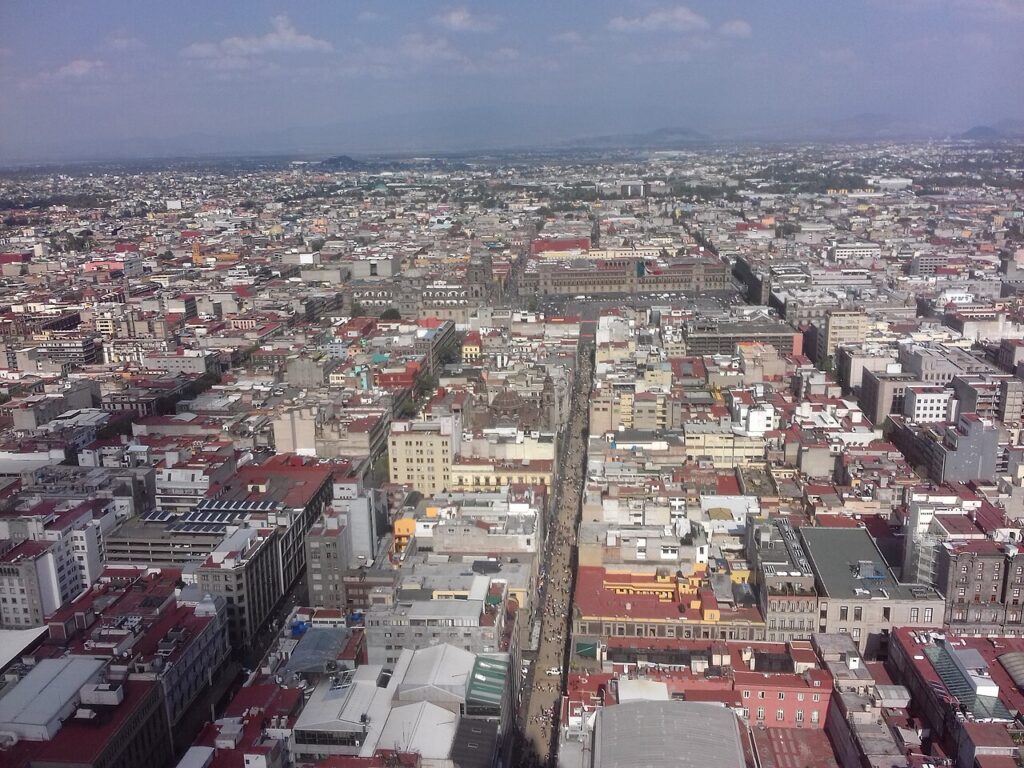
This is the area for walking. From the Zócalo (the main square), Madero Street, which is pedestrian-only, runs all the way to Bellas Artes and the Alameda park. Along the way you pass the Cathedral, the Palacio Nacional, the Templo Mayor and the Casa de los Azulejos.
Templo Mayor
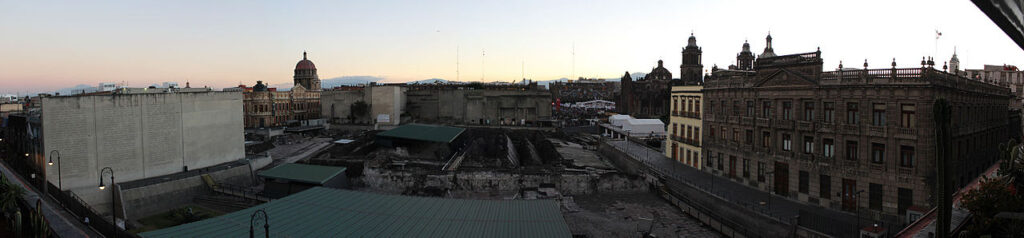
It’s at Seminario 8, next to the Cathedral. It opens Tuesday to Sunday, 9 a.m. to 5 p.m., and costs MX$210 for foreign visitors and MX$105 for Mexican nationals; on Sundays Mexicans get in free, as do children under 13 (official INAH listing). The ticket covers the archaeological site and the museum.
Palacio de Bellas Artes
The museum opens Tuesday to Sunday, 10 a.m. to 6 p.m., and costs MX$95. On Sundays entry is free for everyone, foreign tourists included, and the photo permit costs MX$30 (listing from INBAL, Mexico’s national fine arts institute). The murals by Rivera, Orozco and Siqueiros are on the upper floors.
Casa de los Azulejos and the Alameda
The Casa de los Azulejos (House of Tiles) is on Madero, almost at the corner with Eje Central, and inside it works as a restaurant. A few blocks west, past the Alameda, is the Plaza de la Santa Veracruz, home to the Museo Nacional de la Estampa (MX$70, Tuesday to Sunday, 10 a.m. to 6 p.m., according to INBAL).
If you’re in the Centro at night or hungry, Barrio Chino (Mexico City’s Chinatown) is a few blocks from Bellas Artes, and at the end of October there’s the monumental ofrenda (Day of the Dead altar) in the Zócalo.
What to do in Chapultepec and Polanco
Chapultepec Park (Bosque de Chapultepec) brings together the Anthropology Museum, the Castle and several other museums. The first section opens Tuesday to Sunday, 5 a.m. to 6 p.m., and closes on Mondays for maintenance; the second, third and fourth sections are open 24 hours (Mexico City Tourism).
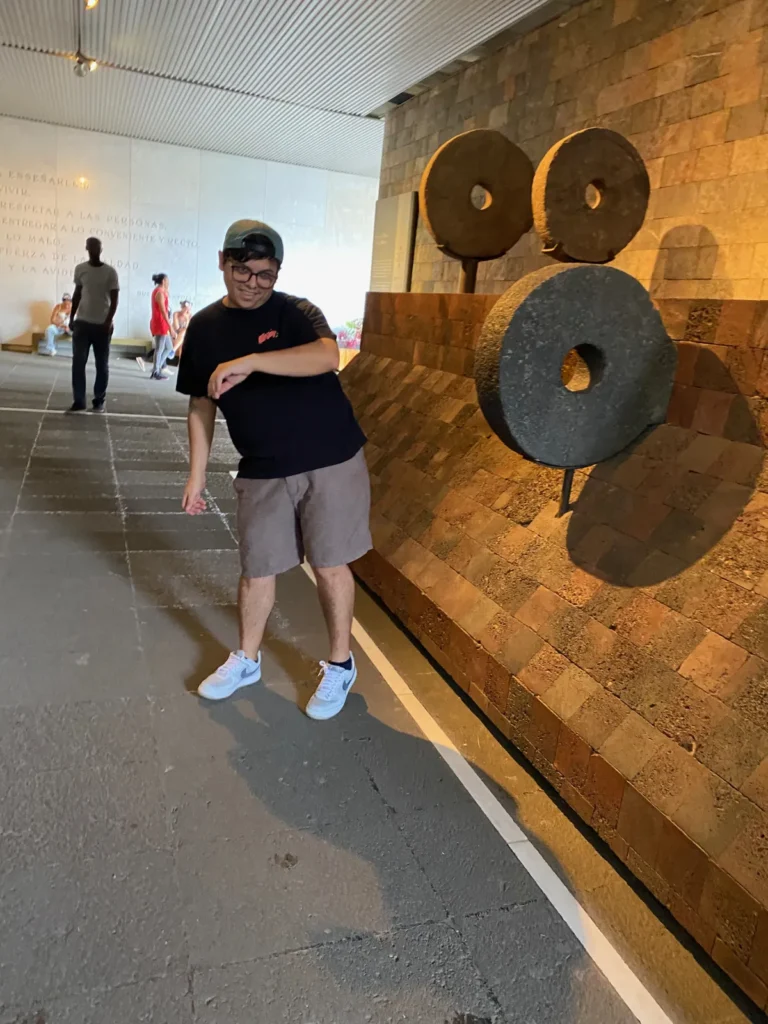
National Museum of Anthropology
It opens Tuesday to Sunday, 9 a.m. to 6 p.m. It costs MX$210 for foreign visitors and MX$105 for Mexican nationals, with free Sundays for Mexicans and free entry for children under 13, students, teachers and seniors (INAH).
Chapultepec Castle
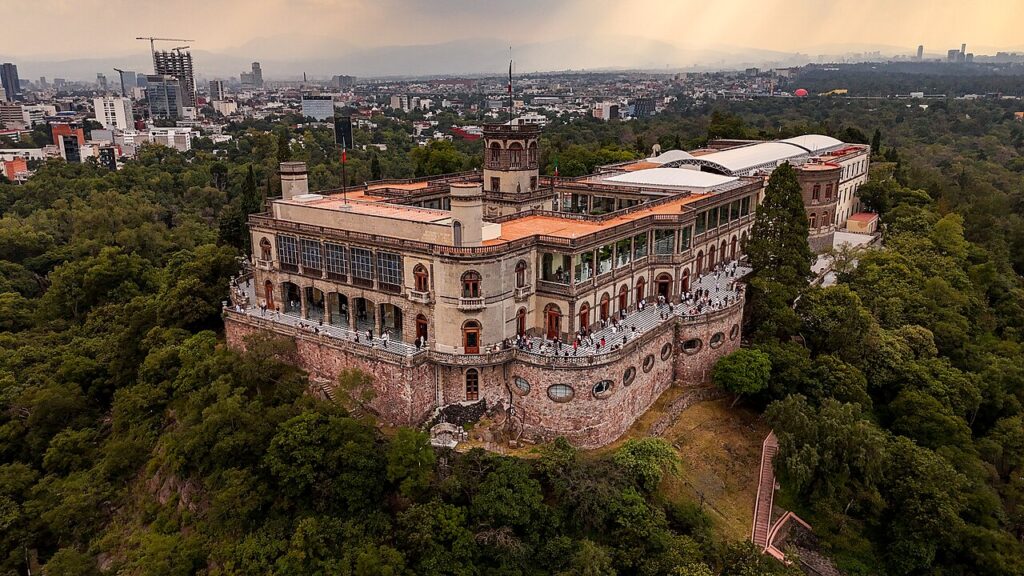
It houses the National Museum of History. It’s in the same price category as the Anthropology Museum: MX$210 for foreign visitors and MX$105 for Mexican nationals in 2026, with free Sundays for Mexicans and foreign residents (ADN40, January 2026). You walk up from the park entrance.
Museo Soumaya and Polanco
The Soumaya at Plaza Carso is free and opens every day from 10:30 a.m. to 6:30 p.m., Mondays included (Museo Soumaya). It’s the answer when your free day falls on a Monday and the INAH museums are closed.
What to do in Roma and Condesa
These are the colonias (neighborhoods) for walking with no agenda: Parque México, Parque España and the tree-lined medians of Ámsterdam and Álvaro Obregón. There are no tickets to pay here; what you spend money on is food.
What to do in Coyoacán
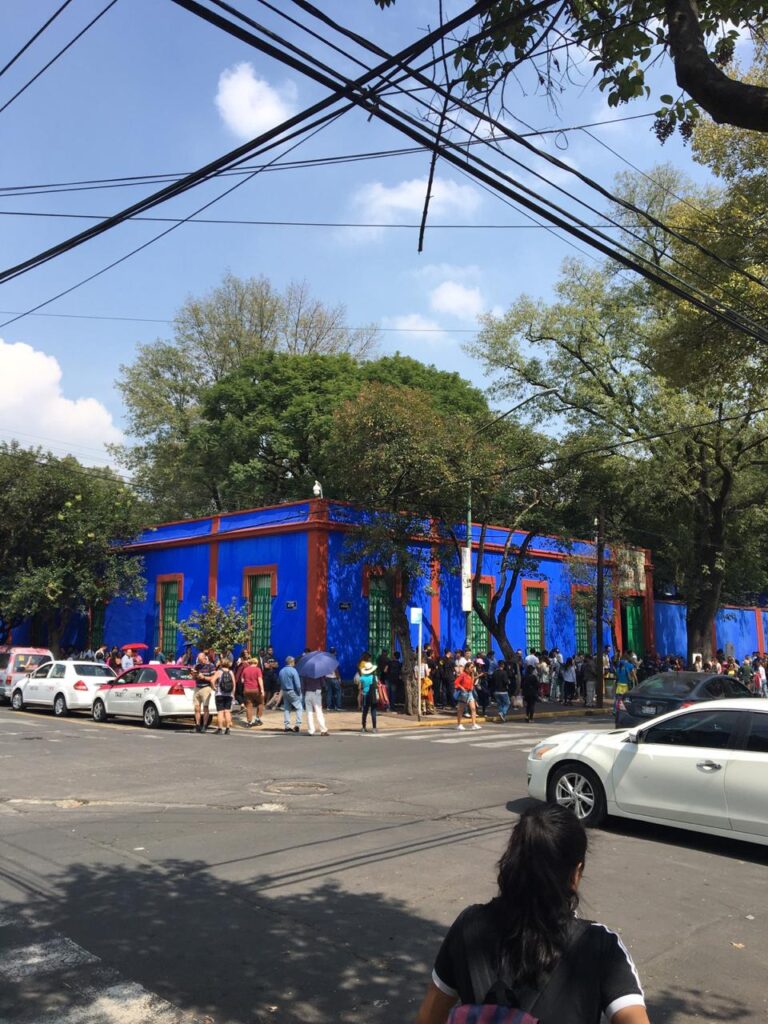
The big draw is the Frida Kahlo Museum, the Casa Azul (Blue House), at Londres 247. It opens Tuesday from 10 a.m. to 6 p.m., Wednesday from 11 a.m. to 6 p.m. and Thursday to Sunday from 10 a.m. to 6 p.m.; it’s closed on Mondays (Frida Kahlo Museum). Its website doesn’t publish the fee outside the ticketing system; latest reference: MX$320 general admission and MX$160 for residents of Mexico (Tus Buenas Noticias, October 2025). Tickets are sold online, not at the ticket office.
Beyond the museum, the rest of the neighborhood is its plazas and its market.
Xochimilco and the trajineras
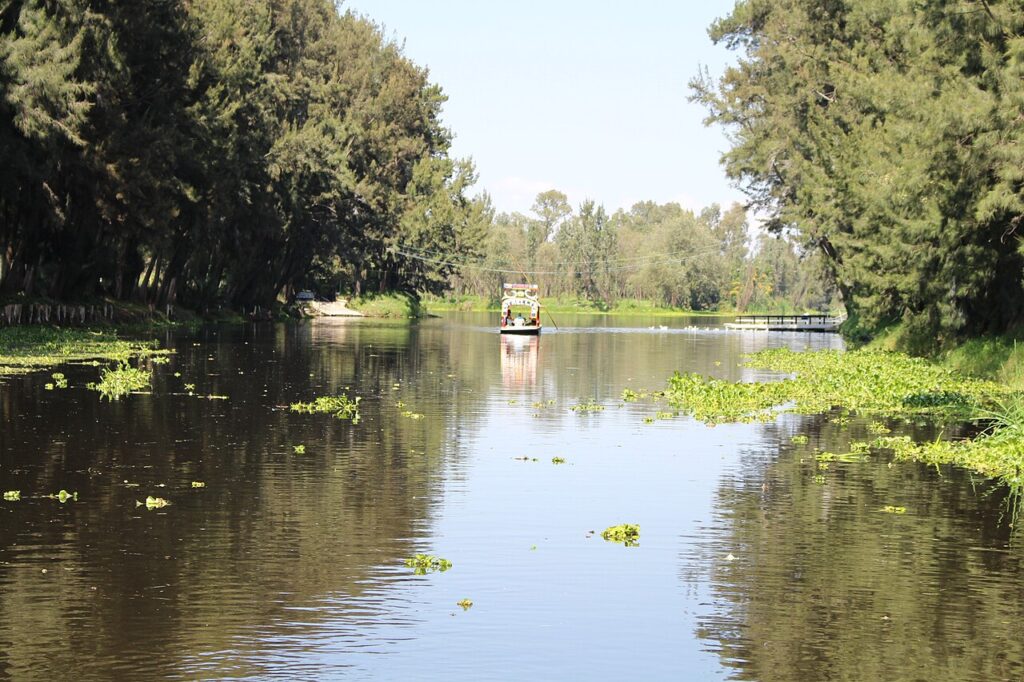
You tour the canals on a trajinera (a traditional painted boat), which you pay for by the hour and per boat, not per person. To get there from the center, take the Tren Ligero (light rail), which costs MX$3 (Récord, June 2026).
At night and outside the city
Lucha libre at Arena México
It’s the most chilango (Mexico City local) night out there is.
Teotihuacan and nearby towns
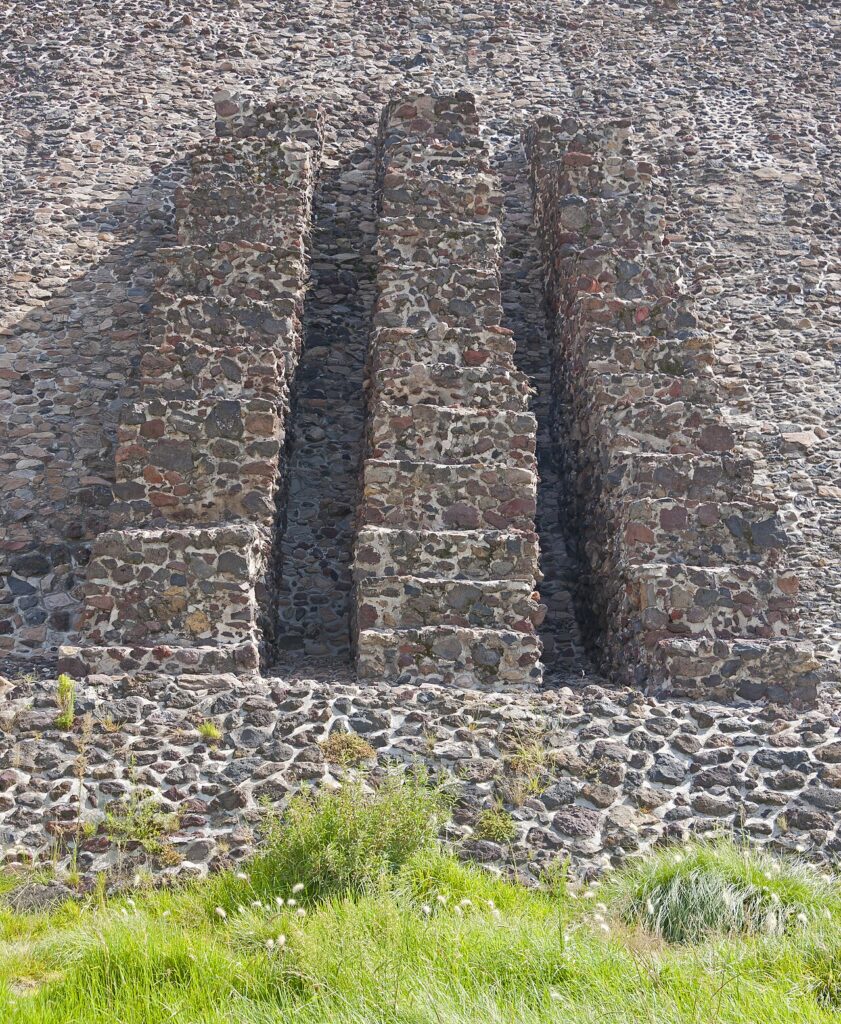
Teotihuacan is in the State of Mexico and costs MX$210 for foreign visitors and MX$105 for Mexican nationals in 2026 (ADN40, January 2026). It takes a full day; transport and hours are in how to visit Teotihuacan. If you’d rather take a different getaway, check the Pueblos Mágicos near Mexico City (towns with Mexico’s official “Magic Town” designation).
Which guide to read for your plan
| If you’re looking for… | Read |
|---|---|
| A walking route for your first trip | Mexico City for the first time |
| A day-by-day itinerary | Mexico City in 3 days |
| Events and exhibitions over the next few weeks | Mexico City this month |
| Spending as little as possible | Free things to do in Mexico City |
| Budgeting the whole trip | How much it costs to travel around Mexico in 2026 |
How to get around Mexico City
With a Movilidad Integrada card (the city’s integrated transit card) you pay for the Metro, Metrobús, Tren Ligero and Cablebús. The 2026 fares are Metro MX$5, Metrobús MX$6 (Line 4 to the airport MX$30), Cablebús MX$7 and Tren Ligero MX$3, and they stayed the same during the World Cup (Récord, June 2026).
At night or with luggage, use a ride-hailing app. The Centro, Roma, Condesa and Coyoacán are easy to walk, but the distances between areas are long: Coyoacán and Xochimilco are in the south, far from the Centro.
Tips for your visit
- On Mondays almost all INAH and INBAL museums are closed, and so is the first section of Chapultepec. That day, go for the Soumaya, the neighborhoods or Xochimilco.
- If you’re Mexican or a resident, you get into INAH museums free on Sundays with ID. At INBAL museums, like Bellas Artes, Sunday is free for everyone.
- Buy your Casa Azul tickets days in advance: they’re only sold online.
- Carry cash in small bills for markets and trajineras.
Frequently asked questions
How many days do you need for Mexico City?
With 3 days you cover the Centro, Chapultepec, and Coyoacán or Xochimilco. With 5 you add Teotihuacan and go at an easy pace.
How much does the Anthropology Museum cost in 2026?
MX$210 for foreign visitors and MX$105 for Mexican nationals, Tuesday to Sunday, 9 a.m. to 6 p.m. On Sundays it’s free for Mexicans, according to the official INAH listing.
Which Mexico City museums are free on Sundays?
INAH museums, like Anthropology, Templo Mayor and the Castle, are free on Sundays for Mexicans and residents. INBAL museums, like Bellas Artes, the Tamayo or the Museo de Arte Moderno, are free on Sundays for everyone.
How much does the Mexico City Metro cost?
MX$5 per ride, transfers included. The Metrobús costs MX$6, except Line 4 to the airport, which costs MX$30 (Récord, June 2026).
Do you need to book the Frida Kahlo Museum?
Yes. Tickets are sold online through the museum’s system, not at the ticket office, and it opens Tuesday to Sunday.
If your trip ends at AICM, Mexico City’s main airport, I don’t recommend the Burger King there.
If you have a whole day for an adrenaline rush, there’s Six Flags México.
If you have a spare day and want forest, take the train to Lerma: things to do at La Marquesa and what it costs.
For half a day outside the city: things to do in Tepotzotlán and how to get there.
A different getaway 90 minutes away: the Otomí Ceremonial Center in Temoaya.
To get out of the city, places to visit in Mexico has the getaways and destinations I’ve been to, with days and prices.
This English version is a translation of my Spanish guide, made with AI assistance and checked against the original for prices, hours, dates and links. Leer en español

José G.
José G. is a Peruvian traveler who lives in Mexico. Born in Lima and Mexican by adoption, he travels around Mexico and Latin America and writes about what he tries first-hand: where to eat, which museums are worth it, where to stay and what everything really costs. He loves good food, museums, soccer and traveling as a couple. He writes with real prices and honest opinions, and he does not recommend places he has not been to.
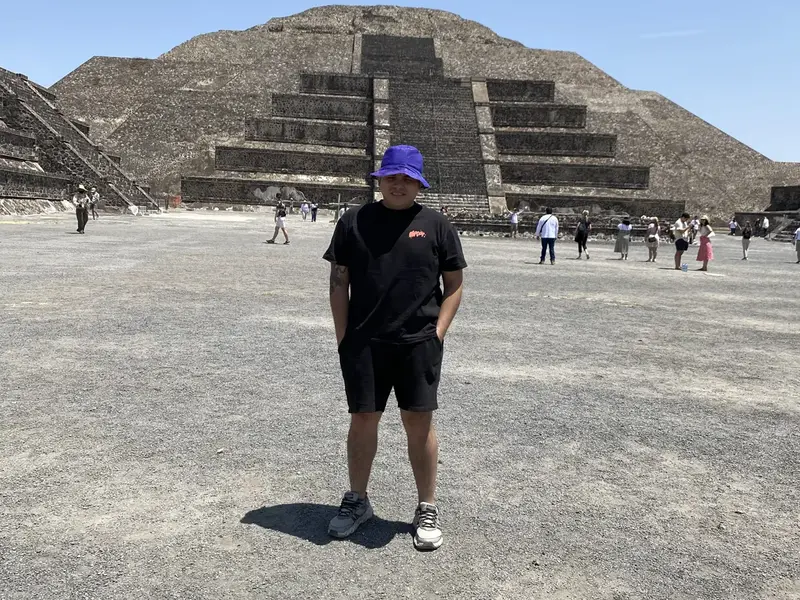
How I made this guide: I went in person, and the photo credited “Photo: José G.” is mine. If something did not convince me, I say so.
Keep planning
How to Visit Teotihuacan in 2026: Complete Guide

Pueblos Mágicos Near Mexico City: 9 Day and Weekend Trips for 2026