Prices are in local currency: Mexican pesos (MX$); US$1 was about MX$19.2 on November 23, 2026. Fees change, so check the official sites before you go.
The best Pueblos Mágicos near Mexico City (CDMX), the towns Mexico officially designates as ‘Magic Towns’, fit within a three-hour radius: Tepoztlán, Tepotzotlán, Malinalco, Valle de Bravo, Real del Monte and Taxco work for a one-day getaway, and Bernal or Cuetzalan call for a full weekend. Here are the distances, how to get there and what to really budget.
We’ve been doing these routes for years on Saturday mornings, leaving the city before it wakes up, and we learned something simple: not every town pays off the same way. Some you can enjoy in five hours; others get ruined if you try to squeeze them into one day. We narrowed the list down to nine that are worth the trip, with data we checked in 2026 (bus prices and distances change, so we give them as approximate).
How we chose these Pueblos Mágicos near Mexico City
The filter was practical. For day trips from Mexico City, they had to be reachable in under three hours, have something concrete to see (not just a pretty bandstand) and have food that justifies the hunger on the way back. We also included two farther destinations, Bernal and Cuetzalan, because anyone with Saturday and Sunday free will be glad of them. Here’s the quick snapshot.
| Town | State | Approx. distance | Drive time | Best for |
|---|---|---|---|---|
| Tepotzotlán | State of Mexico | 40 km | 50 min – 1 h 20 | Half day |
| Metepec | State of Mexico | 65 km | 1 h | Half day |
| Tepoztlán | Morelos | 82 km | 1 h 10 | One day |
| Malinalco | State of Mexico | 95 km | 1 h 40 | One day |
| Real del Monte | Hidalgo | 106 km | 1 h 50 | One day |
| Valle de Bravo | State of Mexico | 135 km | 2 h 15 | Weekend |
| Taxco | Guerrero | 170 km | 2 h 45 | Weekend |
| Cuetzalan | Puebla | 296 km | 5 h | Weekend |
| Bernal | Querétaro | 300 km | 3 h | Weekend |
Tepoztlán: the classic you have to get up early for
It’s in Morelos, on the other side of the mountains, about 82 km away on the México-Cuernavaca highway. By car it takes 1 h 10 in normal traffic. By bus, Pullman de Morelos and OHL leave often from the Terminal del Sur (Taxqueña); the boleto (bus ticket) costs about MX$120–160 and they drop you ten minutes from the center.
What everyone comes to do is climb to the Tepozteco pyramid, a pre-Hispanic shrine perched on the hill. The climb takes between 40 minutes and an hour, it’s steep and not for flip-flops. Down below, there’s the crafts market and the street itacates (corn-dough snacks). To eat, cecina de Yecapixtla (thin salted beef) with cream and beans, and a nieve de garrafa (hand-churned sorbet) in unusual flavors (rose petal, tequila, beso de ángel).
Budget MX$500–800 per person for a day with public transportation, food and the Tepozteco entrance fee (foreign visitors pay MX$210 and Mexican nationals MX$105, Wednesday to Sunday, according to INAH). The honest tip: Tepoztlán gets packed on Saturdays, Sundays and any puente (long holiday weekend). The Sunday tianguis (street market) and the line to climb the hill are a crush of people. Arrive before 9 a.m. or, better, go on a Tuesday. During Semana Santa (Holy Week), forget it unless you love crowds.
Tepotzotlán: the half-day getaway
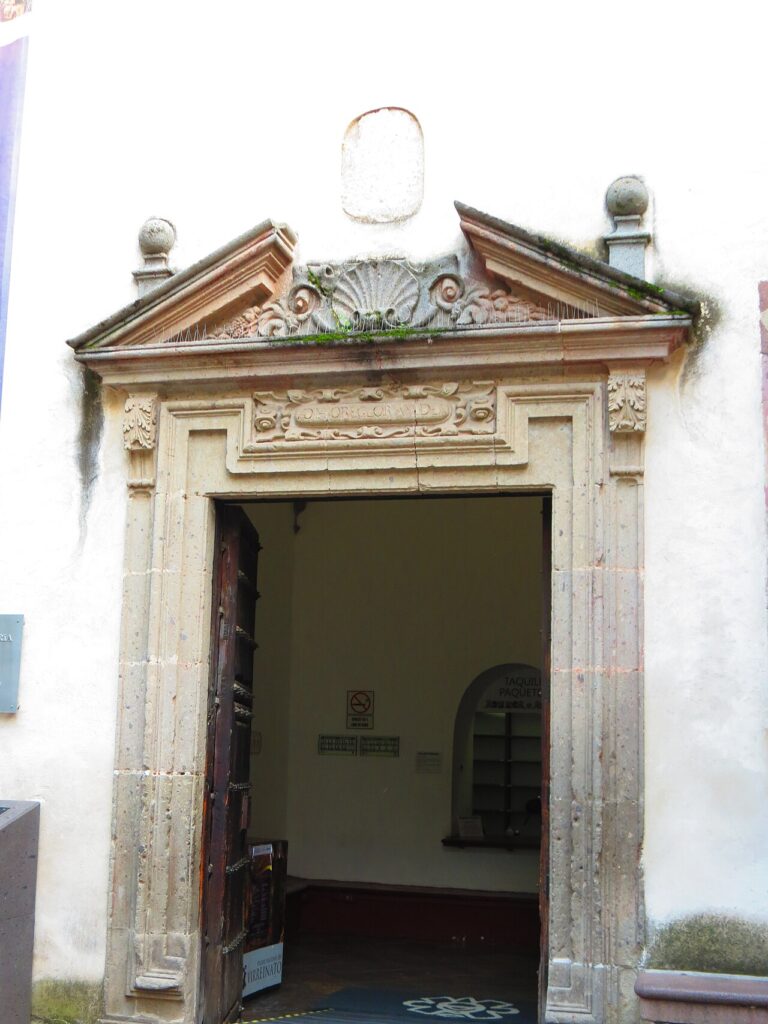
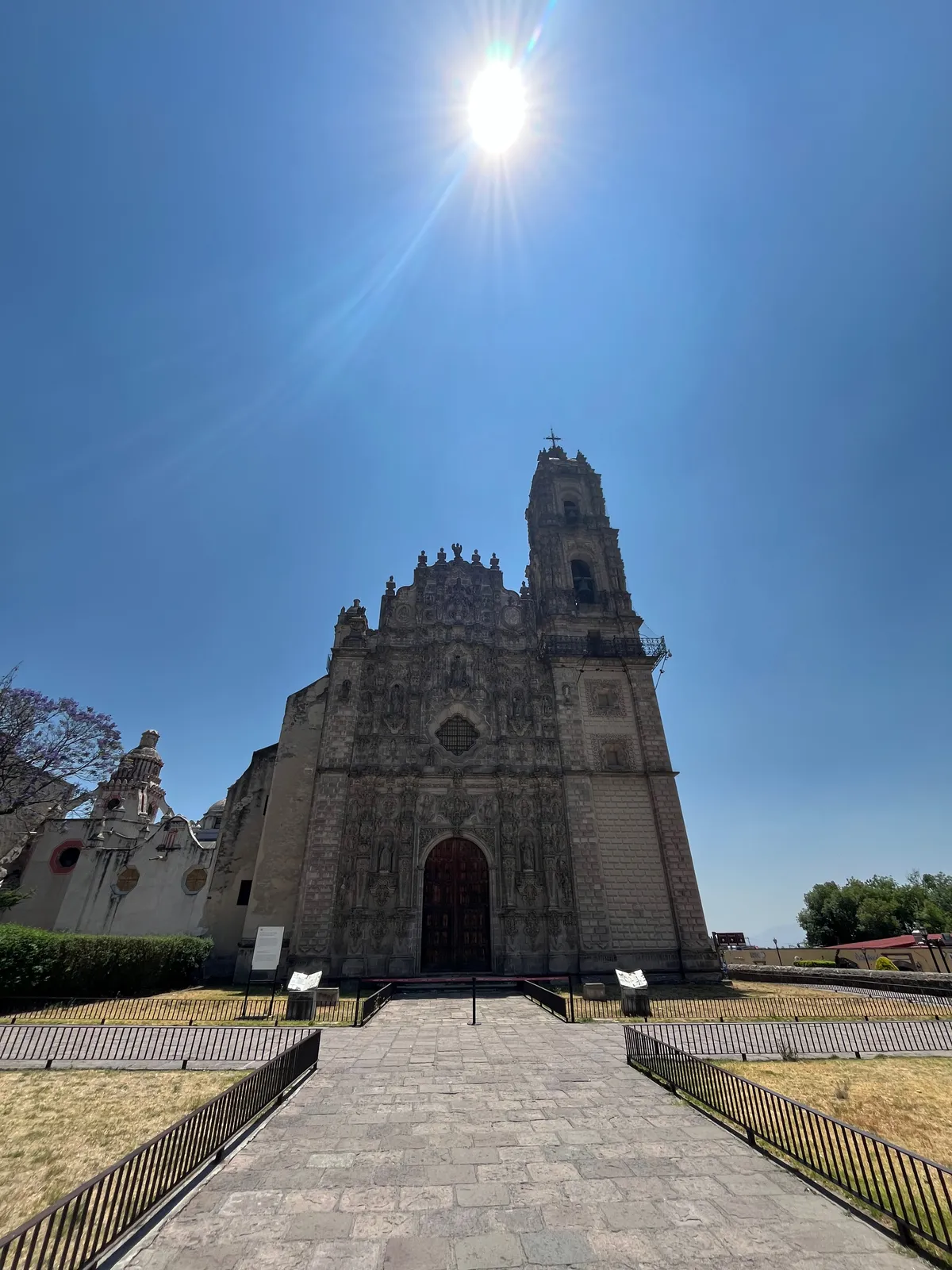
Don’t confuse it with the previous one. Tepotzotlán is to the north, in the State of Mexico, only 40 km away. Without traffic you get there in 50 minutes, although on weekends the México-Querétaro highway gets heavy and it can take 1 h 20. There are direct departures from Taxqueña; you can also get there by metro plus colectivo (shared van) if you don’t mind combining.
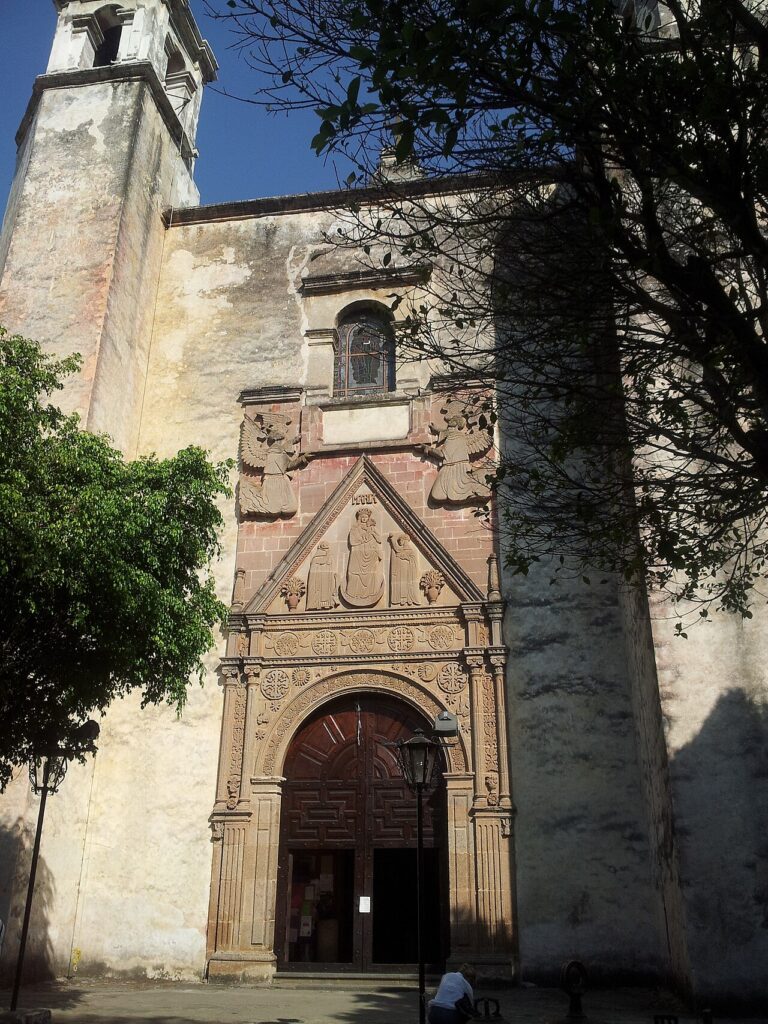
The draw is the Templo de San Francisco Javier and the Museo Nacional del Virreinato (National Museum of the Viceroyalty), one of the best-preserved baroque complexes in the country. The carved stone facade and the gilded altarpiece inside are worth the ticket (the museum entrance costs MX$210 for foreign visitors and MX$105 for Mexican nationals, according to INAH). In December they stage pastorelas (traditional Christmas plays) in the atrium, and tickets are sold weeks in advance.
You eat well under the arcades of the plaza: sopa de médula (bone-marrow soup), escamoles (ant larvae) in season, pulque curado (pulque blended with fruit). MX$350–600 per person covers everything. Since it’s a short visit, many people combine it with the Arcos del Sitio, a colonial aqueduct 40 minutes away, to fill the day. Ideal if you want to leave late and sleep in your own bed.
Malinalco: trout, convents and fewer people

95 km from the city, toward the south of the State of Mexico, among mountains. The drive takes 1 h 40, and here’s the catch: by public transportation it’s a hassle (a bus to Chalma or Tenancingo and then a colectivo), so here we do recommend a car or getting a ride. The last stretch of road is all curves, take it easy.
Malinalco has an archaeological site carved into the living rock of the Cerro de los Ídolos, something you won’t see anywhere else, and a 16th-century Augustinian convent with murals of plants and animals. The food revolves around trout, farmed in the area, and seasonal insects. For dessert, a xoconostle sweet (made from a sour prickly pear).
Plan on MX$700–1,200 per person if you go in a shared car and eat without rushing. The tip: the Chalma sanctuary, a few kilometers away, draws huge pilgrimages on certain dates (the first Friday of Lent, patron saint festivals). If your trip coincides, the road turns into one long traffic jam. Check before you leave.
Real del Monte: pastes and English fog
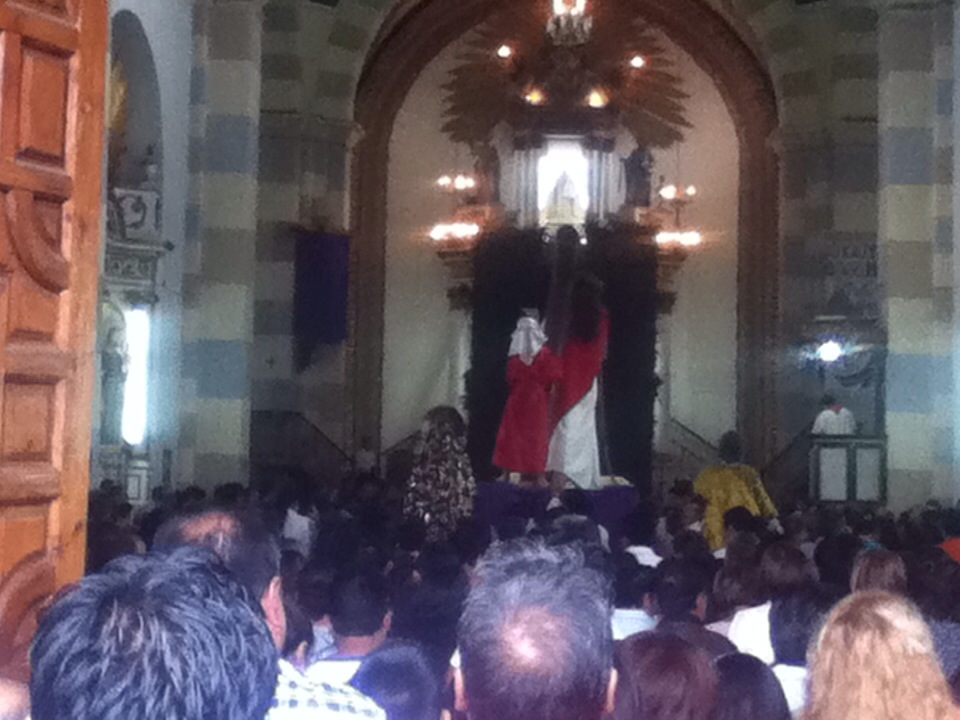
The highest Pueblo Mágico in Mexico, at 2,700 meters, in Hidalgo, 106 km from Mexico City. By car it’s 1 h 50. The good news for 2026 is that Estrella Blanca opened a direct route from the capital for under MX$200 approx.; before, you had to get to Pachuca and take a colectivo.
Cornish miners were sent here in the 19th century and they left their mark: houses with gabled roofs, an English cemetery with the headstones facing Great Britain and, above all, the paste (a Cornish-style pasty). That potato-and-meat pastry the miners originally ate now comes with a thousand fillings, sweet and savory. Also try the pan de pulque (pulque bread), nice and warm.
With MX$400–700 per person you’ll have a good time. Go down into the Mina La Rica or visit the Museo del Paste. The honest tip: it’s cold and there’s usually thick fog almost all year, so bring a coat even if it’s hot in the city. On weekdays you’ll have it almost to yourself; on Sundays it fills up with people from Pachuca.
Metepec: pottery and a quiet afternoon
Right next to Toluca, about 65 km from Mexico City and an hour away. It’s the most low-key town on the list and that’s why we included it: it works when you want to get out without giving up the whole day. You get there by bus to Toluca from Observatorio and then a short taxi ride.
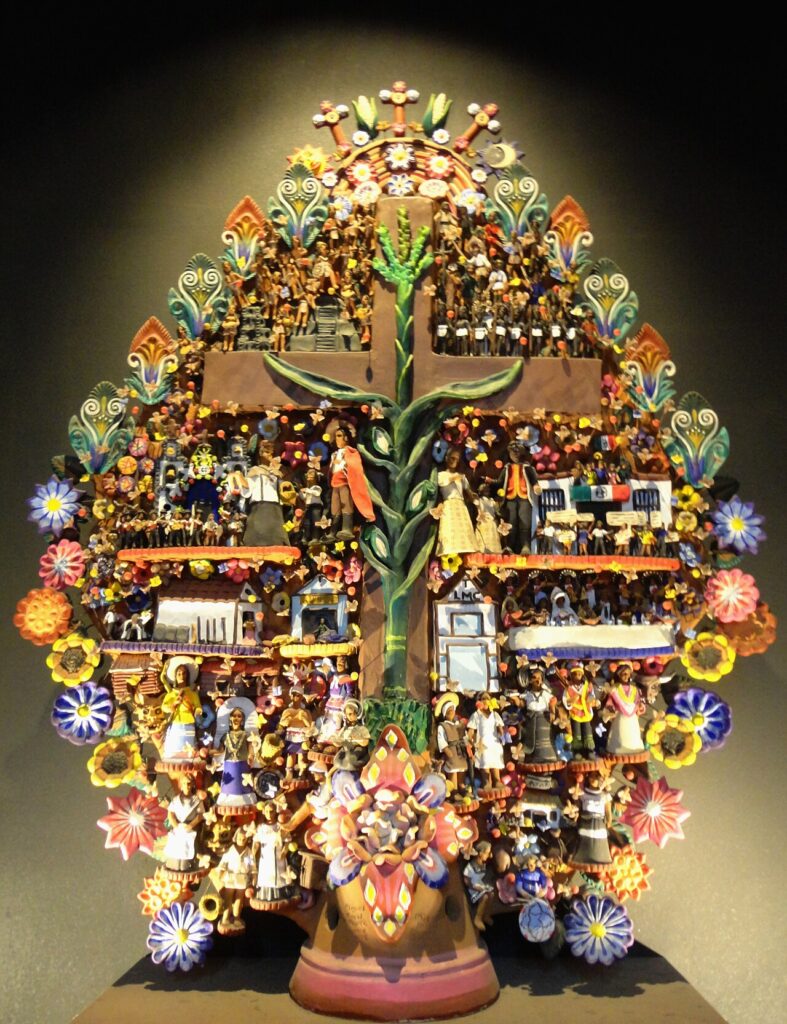
Metepec is the birthplace of the Árbol de la Vida (Tree of Life), those polychrome clay sculptures full of figures. The workshops on Calle Comonfort let you watch the artisans at work and buy direct, which is where it’s worth spending. The Cerro del Calvario gives you a quick view of the valley. For food, garnachas (fried corn snacks) and no-frills plaza tacos.
It’s the cheapest getaway: MX$300–500 per person, plus whatever you spend on pottery. Don’t expect much nightlife or nature; this is crafts, a pretty church and an unhurried afternoon. Perfect for a lazy Sunday.
Valle de Bravo: the lake weekend

135 km along the highway to Toluca and then down to the reservoir, about 2 h 15 by car (more on a long weekend). There is public transportation (Autovan from Observatorio), but Valle is best enjoyed with a car because things are spread out. Here we’re already talking about staying at least one night.
The lake is the main event. You can rent a sailboat or a motorboat, paddle a kayak or just sit on the dock watching the paragliders come down from the hill. If you travel between November and March, the Piedra Herrada monarch butterfly sanctuary, 40 minutes away, is a real spectacle: millions of butterflies hanging from the oyamel firs. To eat, trout, steaks and cafés with a view, although restaurant prices here are among the highest on the list.
A weekend costs between MX$1,800 and MX$3,500 per person depending on where you stay. The tip that really matters: during Semana Santa, long weekends and December, Valle fills up and gets pricier, and the Sunday-afternoon traffic back is brutal. Book weeks in advance and leave before 3 p.m. to head back.
Taxco: silver, steep streets and Thursday pozole
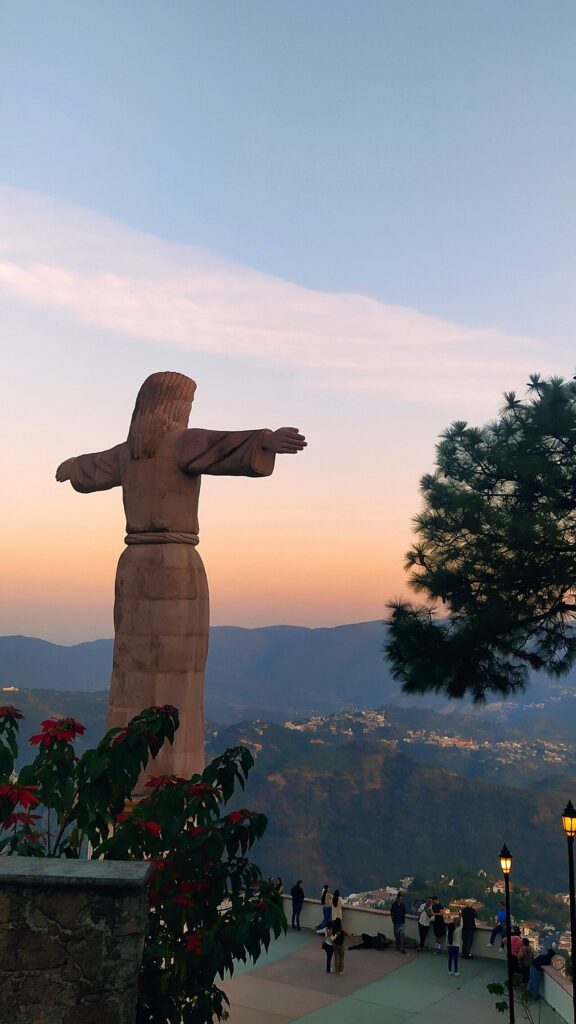
Guerrero’s silver town, about 170 km away on the Autopista del Sol, between 2 h 45 and 3 hours by car. By bus, Costa Line and Estrella de Oro leave from Taxqueña for about MX$286–311 one way. Its steep cobblestone streets are part of the charm and also part of the fatigue, so wear comfortable shoes.
The church of Santa Prisca, baroque down to the last centimeter, dominates the center. Take the cable car to see the white town spilling down the mountain, browse the silver shops (buy slowly, there’s everything at every price) and head down to the Grutas de Cacahuamilpa (caves) if you have half a day to spare. Real silver carries the .925 stamp.
A weekend runs about MX$1,500–3,000 per person. Food-wise, green pozole on Thursdays is a tradition, and there are jumiles (a seasonal insect) for the brave. The tip: Taxco’s Semana Santa, with its processions of penitents, is one of the most impressive in Mexico, but also the most crowded time of the year. If you’re going for peace and quiet, pick any other weekend.
Bernal: the monolith and the wine route
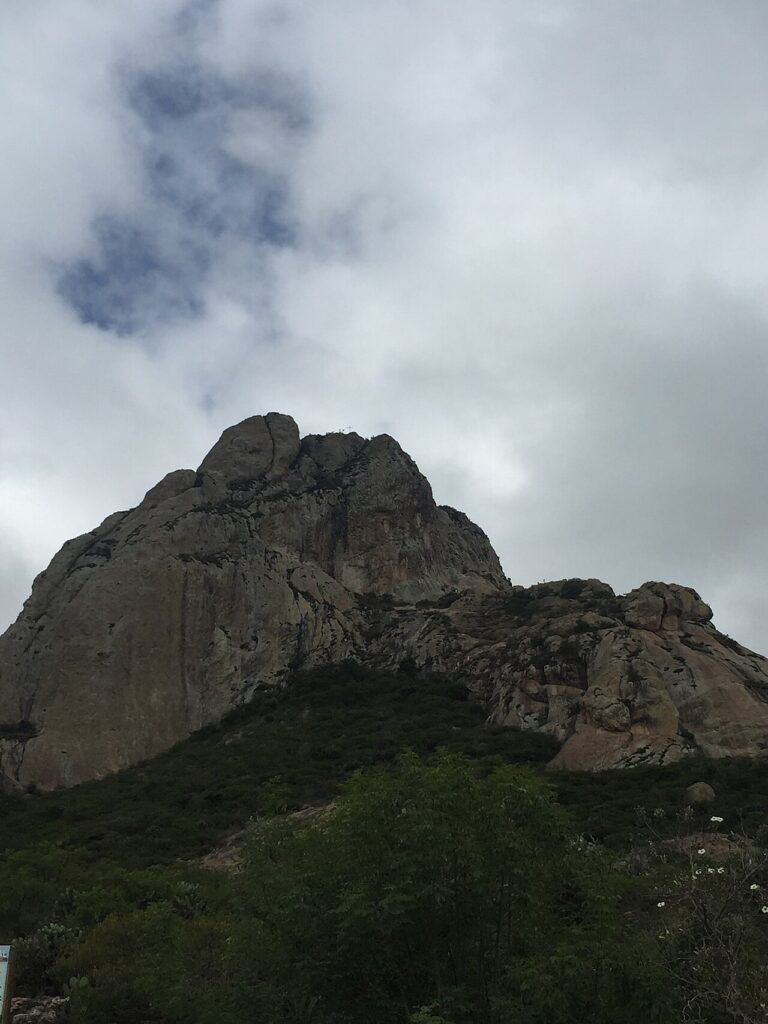
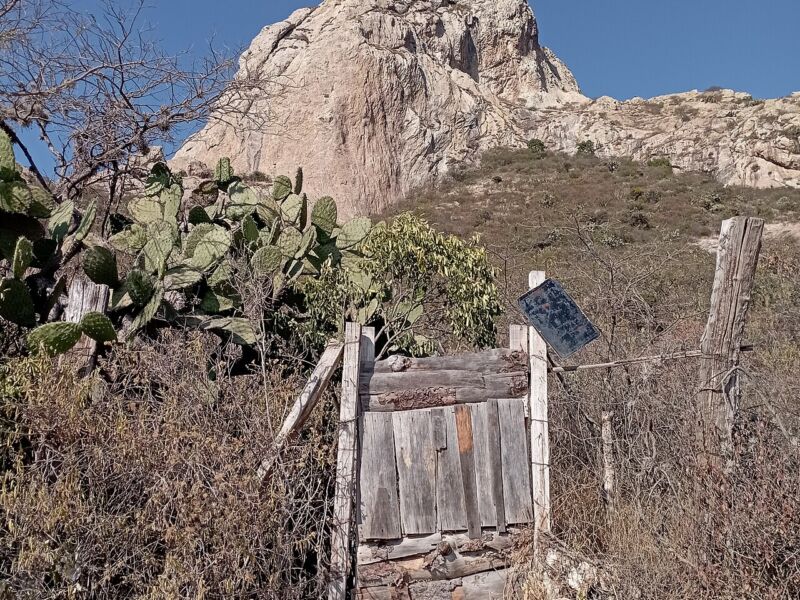
Now we’re in Querétaro, about 300 km and three hours away on the México-Querétaro highway. Buses like ETN or Primera Plus get you to Querétaro or Ezequiel Montes, and from there you take local transportation. The Peña de Bernal, a monolith more than 400 meters high, is the third largest in the world and looks so out of place it seems photoshopped.
You can hike up to the platform three-quarters of the way up (the trail entrance costs about MX$30); the rest is for climbers with gear. The rest of the plan is the Ruta del Queso y el Vino (Cheese and Wine Route) in the surrounding area, with vineyards and cheese makers where you can do tastings. To eat, gorditas de maíz quebrado (cracked-corn gorditas), nopal en penca (a cactus-paddle dish) and natillas (custard) for dessert.
A weekend runs MX$1,500–3,000 per person. The honest tip: on Mondays and Tuesdays a good part of the town closes, so arrive Wednesday to Sunday. On weekdays you can enjoy it without crowds; on long weekends, the town is small and gets congested fast.
Cuetzalan: mountains, coffee and Puebla fog

The farthest and the most different. In the Sierra Norte de Puebla, 296 km and about five hours on the road. ADO leaves from the TAPO and Santa Martha terminals for about MX$286–448 one way. Five hours each way calls for at least two nights to make it worth it; don’t try it in a day.
Cuetzalan was Puebla’s first Pueblo Mágico and you can see why: sloping cobblestone streets, tile-roofed houses, waterfalls like Las Golondrinas, grottoes and a huge cave system. On Sundays the Indigenous tianguis fills the center with embroidery, high-altitude coffee and flowers. If you’re lucky, you’ll see the voladores (ritual pole flyers) in front of the parish church of San Francisco.
Budget MX$2,000–3,500 per person for the weekend. To eat, acamayas (river prawns), smoked cecina, tlayoyos (bean-filled corn cakes) and a sip of yolixpa, the region’s herbal liqueur. The tip: it rains much of the year and the cobblestones get slippery, so bring shoes with good soles and a raincoat. Tianguis Sunday is the best day to arrive.
Cheap Pueblos Mágicos near Mexico City: what the bus costs
What moves a getaway’s budget the most is transportation, and the cheapest towns to reach are the closest ones: Tepotzotlán and Metepec. These are the one-way fares we were able to verify in October 2026. The big bus lines don’t publish fares unless you run a trip search, so anything that isn’t official is marked as approx.
| Town | How to get there | One-way fare | Source |
|---|---|---|---|
| Metepec | El Insurgente train from Observatorio or bus from the Terminal Poniente | Train ~MX$80 · bus ~MX$100 (approx.) | CDMX Secreta, 2026 |
| Real del Monte | Estrella Blanca direct from the Terminal Norte, Saturdays and Sundays at 7 a.m. | ~MX$174 (approx.) | Escapadah, May 2026 |
| Valle de Bravo | Autobuses Zinacantepec y Ramales from Observatorio | MX$300 (Zina Bus) · MX$310 (Excelencia Plus) | Bus line’s official website, October 3, 2026 |
| Cuetzalan | ADO or AU from TAPO (about 6 hours) | ~MX$370 to MX$450 (approx.) | Tus Buenas Noticias, 2025 |
For Tepoztlán, Malinalco, Taxco and Bernal we didn’t find a published fare we could stand behind; check it at the ticket office or on the bus line’s website the day you travel. One trick that works for all of them: on long weekends and holidays the fare doesn’t go down, but lodging goes up, so the cheap town is the one you do in a day.
If you’d rather go by car (for Bernal, Valle de Bravo or Cuetzalan it gives you much more freedom with your schedule), you can compare car rental options on DiscoverCars (affiliate link). Watch out for the casetas (highway toll booths) and Hoy No Circula (Mexico City’s no-driving-day rule) when leaving and coming back to the city.
One day or a weekend? How to plan the getaway
The rule we follow: under two hours, a day trip; more than three, stay overnight. Tepotzotlán, Metepec, Tepoztlán, Malinalco and Real del Monte can be done in one day if you leave early. Valle de Bravo, Taxco, Bernal and Cuetzalan are much better with a night in between, without the pressure of getting back.
If it’s your first time in the area, you may want to balance small towns and the city; for the classic archaeology trip on the outskirts, here’s how to visit Teotihuacan. And if you end up wanting to stretch the getaway south, our 7-day route through Oaxaca is the natural next step.
A general note: bus prices and entrance fees go up every season, and on long weekends everything gets pricier and fills up. Check schedules on the day at the terminals or on the website of Sectur (Mexico’s tourism ministry), which keeps the official information on the Pueblos Mágicos.
Frequently asked questions
Which Pueblo Mágico is closest to Mexico City?
Tepotzotlán, about 40 km to the north. Without traffic you get there in under an hour, which makes it ideal for half a day. Metepec, next to Toluca, is the other very close one, about 65 km away.
Which Pueblo Mágico can you visit in a single day from Mexico City?
Tepoztlán and Real del Monte are the best one-day getaways from Mexico City: you get there in under two hours, they have something concrete to see and you’re back home to sleep. Tepotzotlán and Metepec even work for half a day.
How much does it cost to get to Tepoztlán from Mexico City by bus?
A one-way ticket with Pullman de Morelos or OHL from the Terminal del Sur costs about MX$120–160 in 2026. A full day with transportation, food and the Tepozteco entrance fee comes to MX$500–800 per person.
Which towns should you avoid on long weekends and holidays?
Tepoztlán and Valle de Bravo get completely packed on long weekends, during Semana Santa (Holy Week) and in December; prices go up and the traffic back is heavy. Taxco during Semana Santa is spectacular but extremely crowded. If you want calm, go on a weekday.
Can you reach these towns without a car?
Yes, most of them. Tepoztlán, Tepotzotlán, Taxco, Real del Monte, Bernal and Cuetzalan have direct or almost direct buses from Mexico City’s bus terminals. Valle de Bravo and Malinalco are easier by car because the attractions are spread out.
What is the best Pueblo Mágico for a weekend?
Valle de Bravo if you want a lake and nature, Taxco if you like colonial silver towns, and Cuetzalan if you’re after mountains, coffee and something less touristy. All three need at least one night to enjoy without rushing.
When can you see the monarch butterflies near Valle de Bravo?
Between November and March, with the peak between December and February. The Piedra Herrada sanctuary, about 40 minutes from Valle de Bravo, is the most accessible one from there. Go early and wear shoes for climbing through the forest.
Our final recommendation
Among all these Pueblos Mágicos near Mexico City there isn’t a bad one, there’s the right one for your weekend. If you have only a few hours, Tepotzotlán or Tepoztlán are more than enough. If you want to disconnect for two nights, Valle de Bravo, Taxco or Cuetzalan will repay you many times over. Our advice, once again: leave early, avoid long weekends if you can and bring cash, because in several of these places the card terminal is more decorative than functional.
If you’re left wanting more, here’s the full nationwide list: Pueblos Mágicos in Mexico you have to visit.
From November to March, Valle de Bravo pairs well with the monarch butterfly sanctuaries.
If you’re passing through Toluca, now less than an hour by train from Observatorio, here are the details on hours, price and how to get to the Cosmovitral.
If Bernal is your pick for the weekend, here are the details: how to get to Peña de Bernal from Mexico City, tolls and the cost to climb.
Update: official price, hours and trail status in Tepozteco: 2026 price, hours and how to get there.
Official prices for the museum, the Arcos del Sitio and how to get there on the Suburbano (commuter train): things to do in Tepotzotlán.
All of Metepec, with the El Insurgente train, the museum and clay pottery prices: things to do in Metepec.
On the Toluca side there’s another plan worth doing: the Otomí Ceremonial Center in Temoaya, hours and how to get there.
This English version is a translation of my Spanish guide, made with AI assistance and checked against the original for prices, hours, dates and links. Leer en español

José G.
José G. is a Peruvian traveler who lives in Mexico. Born in Lima and Mexican by adoption, he travels around Mexico and Latin America and writes about what he tries first-hand: where to eat, which museums are worth it, where to stay and what everything really costs. He loves good food, museums, soccer and traveling as a couple. He writes with real prices and honest opinions, and he does not recommend places he has not been to.
How I made this guide: I went in person, and the 2 photos credited “Photo: José G.” are mine. If something did not convince me, I say so.
Keep planning
Things to Do in Mexico City in 2026: 12 Plans Actually Worth It
How to Visit Teotihuacan in 2026: Complete Guide