Prices are in local currency: Mexican pesos (MX$); US$1 was about MX$19.2 on November 23, 2026. Fees change, so check the official sites before you go.
Something strange is happening to Tulum. The headlines say it’s dead, the videos show empty beaches, and meanwhile prices carry on as if nothing happened. I was there with my partner early this year, staying downtown, and I want to tell you what we actually saw and whether Tulum is worth visiting right now, because it’s neither the apocalypse they paint nor a lie that it’s empty. Here are the details, with exact numbers and the photos we took.
Why Tulum Is Empty: What the Numbers Say
The short version: fewer flights arrive, fewer tourists come and prices haven’t dropped. Before I tell you what I saw, here is the most recent public data we found:
- Fewer tourists. According to the Quintana Roo Tourism Department (Secretaría de Turismo), Tulum received 796,604 tourists in all of 2025 and 529,898 from January to July 2026 (Uno TV, October 5, 2026).
- Emptier hotels. Average hotel occupancy went from 72.67% in 2025 to 63.69% in 2026, according to the same report.
- Fewer flights. AFAC (Mexico’s civil aviation agency) recorded a drop of more than 30% in international passengers at Tulum airport in the first quarter of 2026 (Uno TV, May 2026). Aeroméxico and Volaris also stopped flying there.
- The causes that business owners and specialists point to: sargassum seaweed, expensive transportation, insecurity and too many hotel rooms compared with other destinations in the Mexican Caribbean (Uno TV).
That matches what we saw on the street. What follows is our experience, with real prices and our own photos.
I Never Saw the Boom, So I’m Not Here to Mourn It
I’ll say it up front so you know where I’m coming from: my first time in Tulum was only last year, in 2025. I didn’t catch the era when you had to fight for a sun lounger. So I can’t compare against that mythical Tulum of the viral photos; I can compare against what I saw a year ago, and even so the change is noticeable.
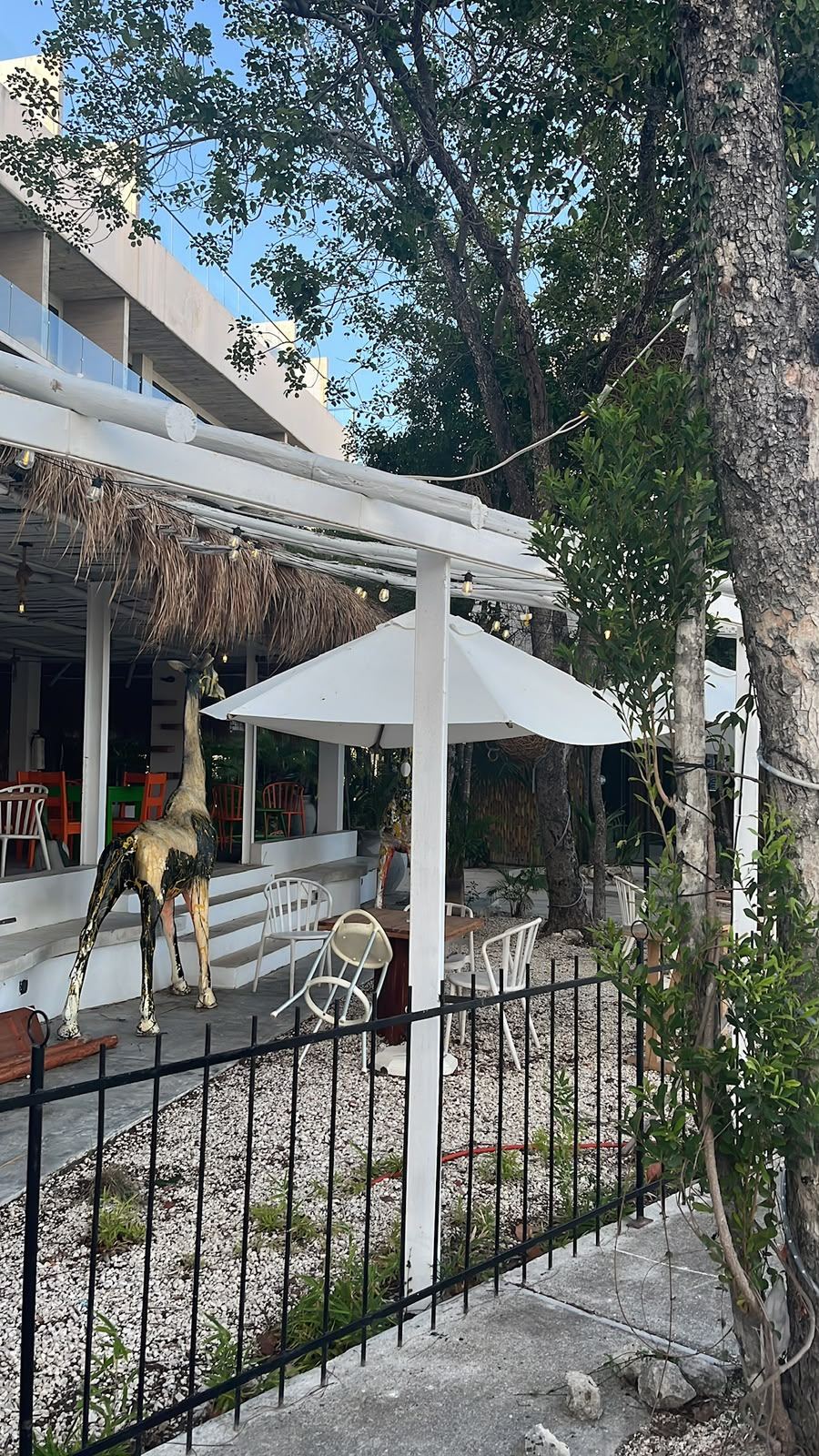
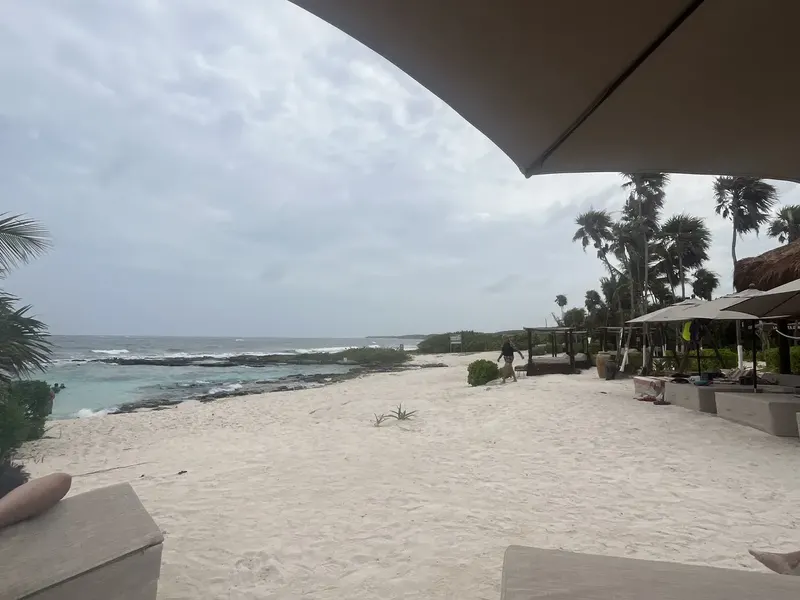
I’m not going to lie: there aren’t many people in Tulum. And some places are completely empty. It’s a little sad, honestly. You see restaurants with a huge production, with lights, decor and an army of waiters, serving three tables. Beach clubs where the one taking up the most chairs was a zanate (a great-tailed grackle).

Fewer People, Same Prices (This Is the Part That Doesn’t Add Up)
You’d assume that with fewer tourists, prices would have collapsed. Nope. They’re practically the same. The famous restaurants charge around MX$350 per plate, drinks run MX$180–200, and a beer on the beach is the usual MX$50–60.
And look, I even get it: these places have very high-end infrastructure, and that setup has to be paid for even when the venue is at a quarter of its capacity. That doesn’t change the fact that it feels strange to pay boom prices in a place where the boom is gone.
That said: since everyone is now fighting over the few customers there are, deals started to appear that didn’t even exist before. In lodging, in food and above all in drinks. That’s the play on this trip, and that’s why my guide on how to travel to Tulum cheap applies today better than ever.
Lodging: The Best Part of Nobody Being There
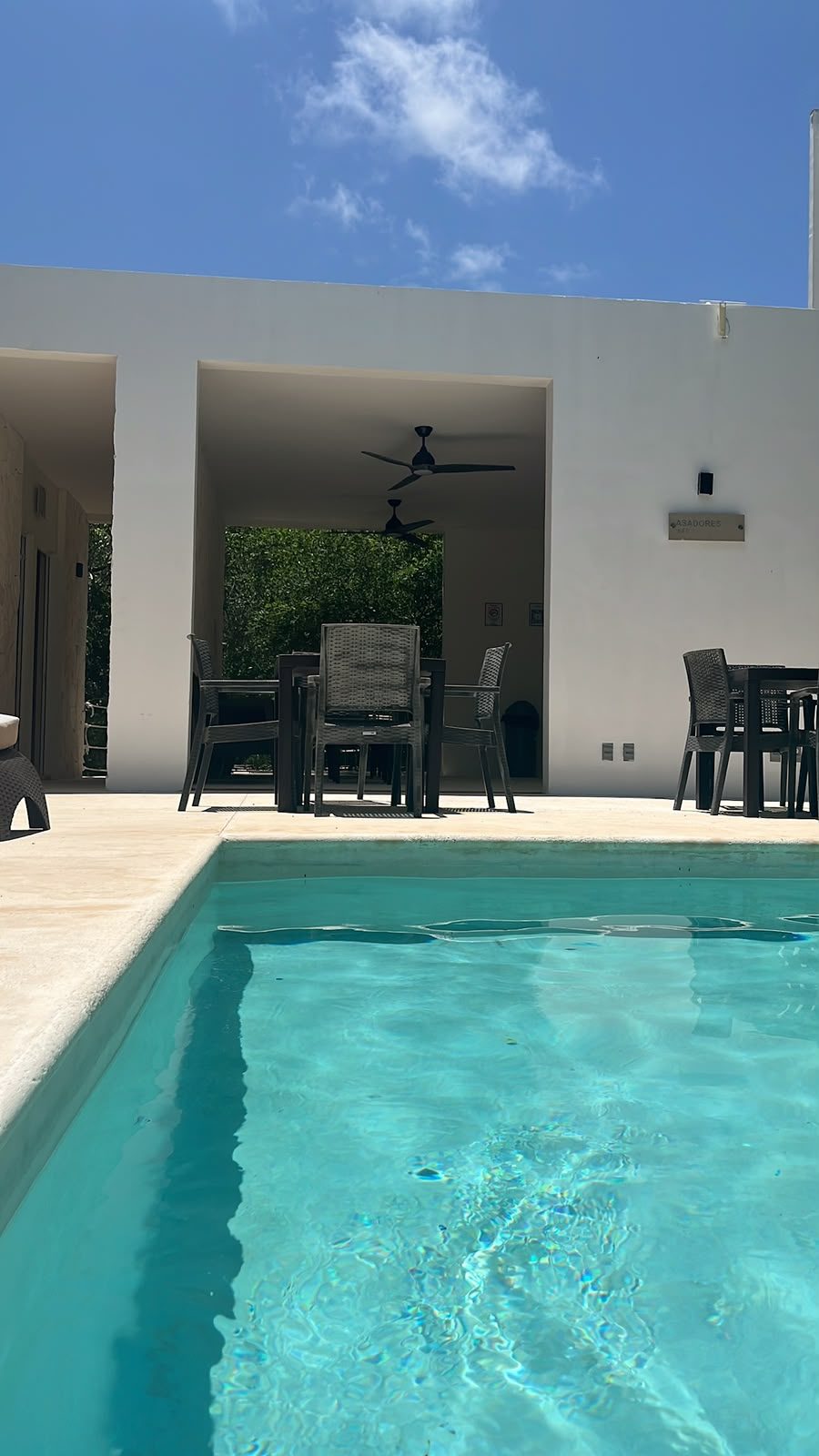
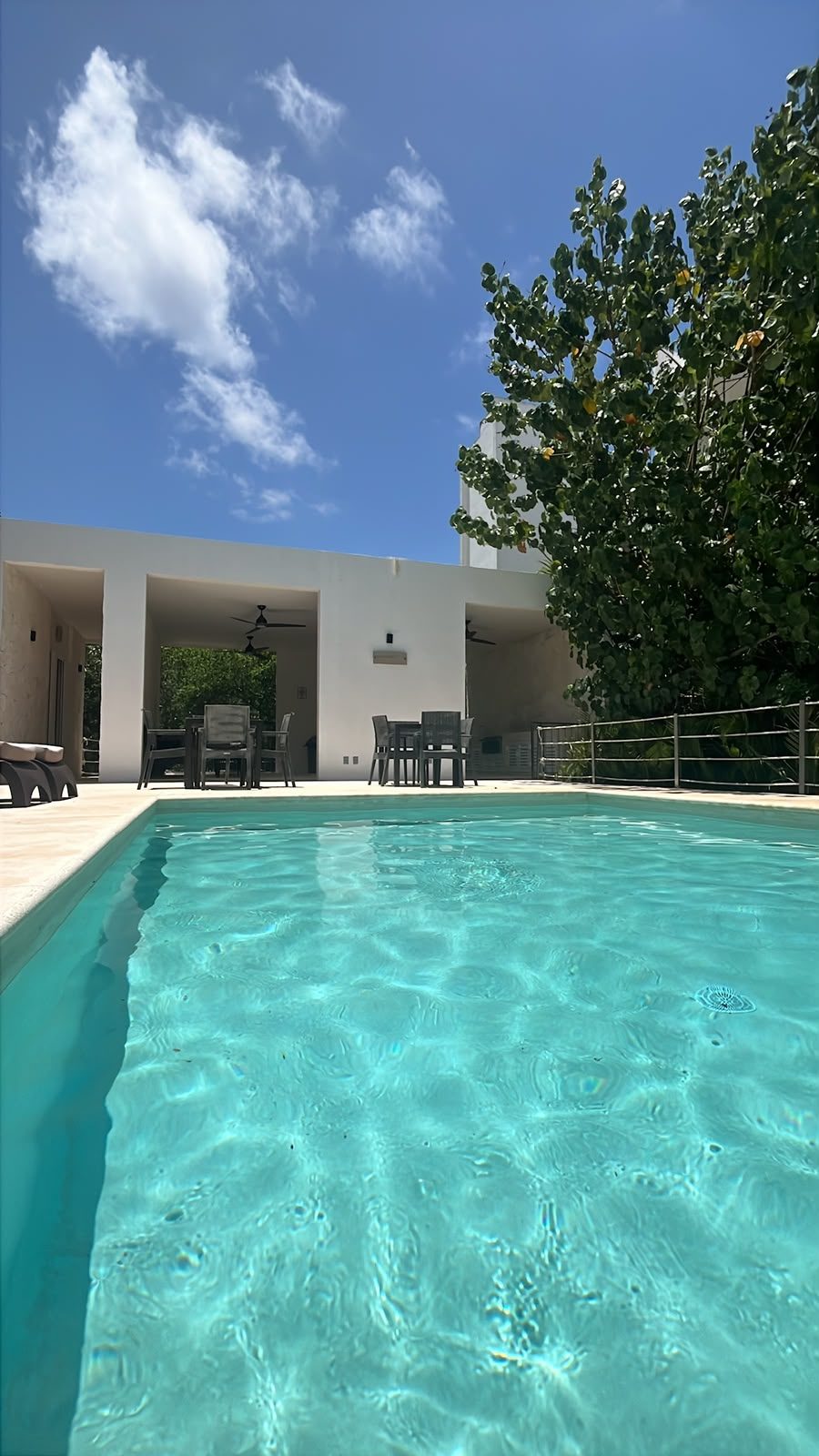
We stayed in downtown Tulum, which for me is still the right call if you don’t want to blow your budget in the hotel zone. And we discovered the great luxury of an empty Tulum: we had the hotel pool to ourselves almost every day.
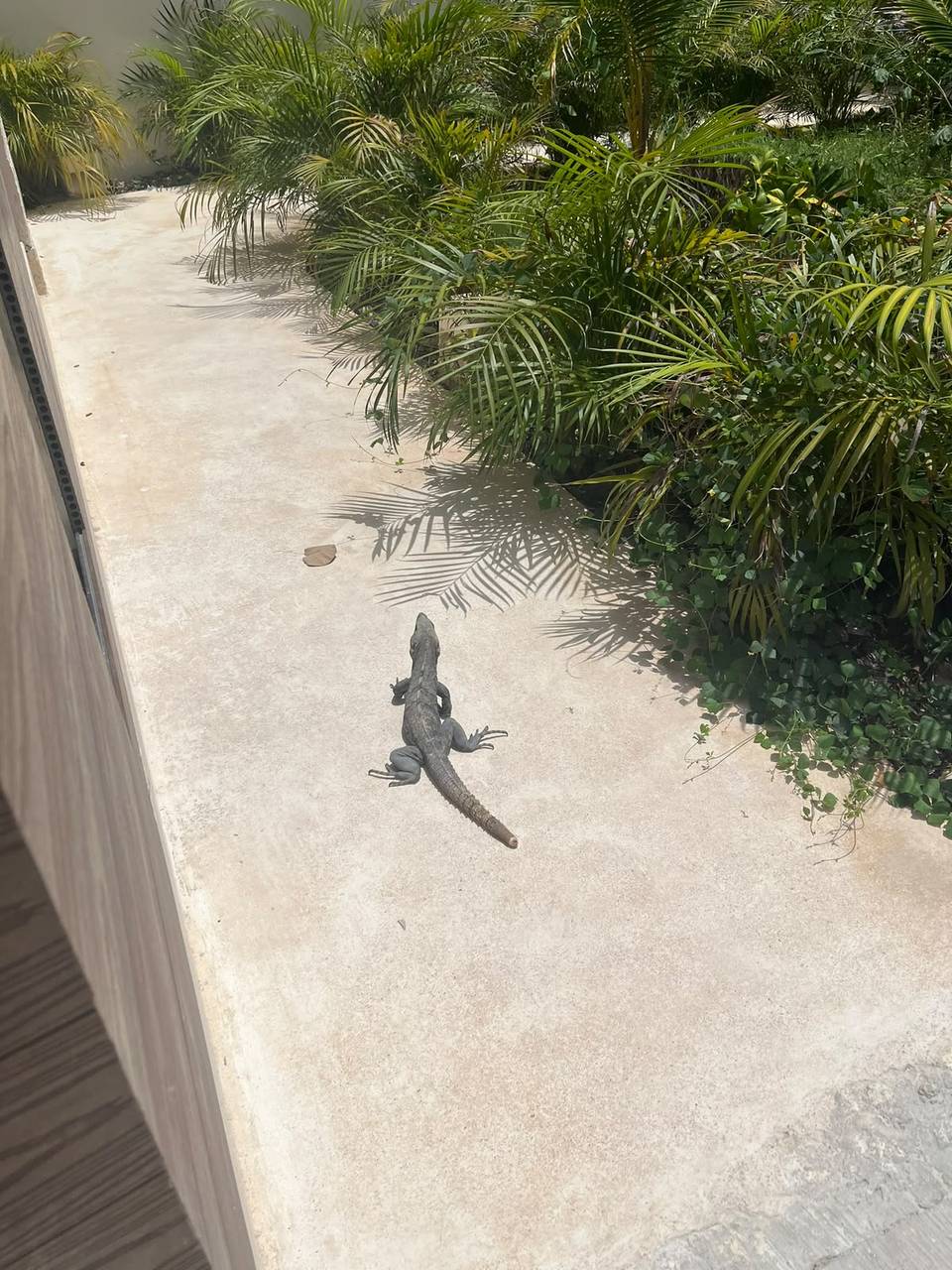
Even the wildlife is more relaxed without so many people. This iguana would come out to sunbathe in the hallway as if the hotel were its own. In Tulum the jungle is always two meters away, and with few tourists you notice it more.
Xpu-Há: The Beach That Made My Trip
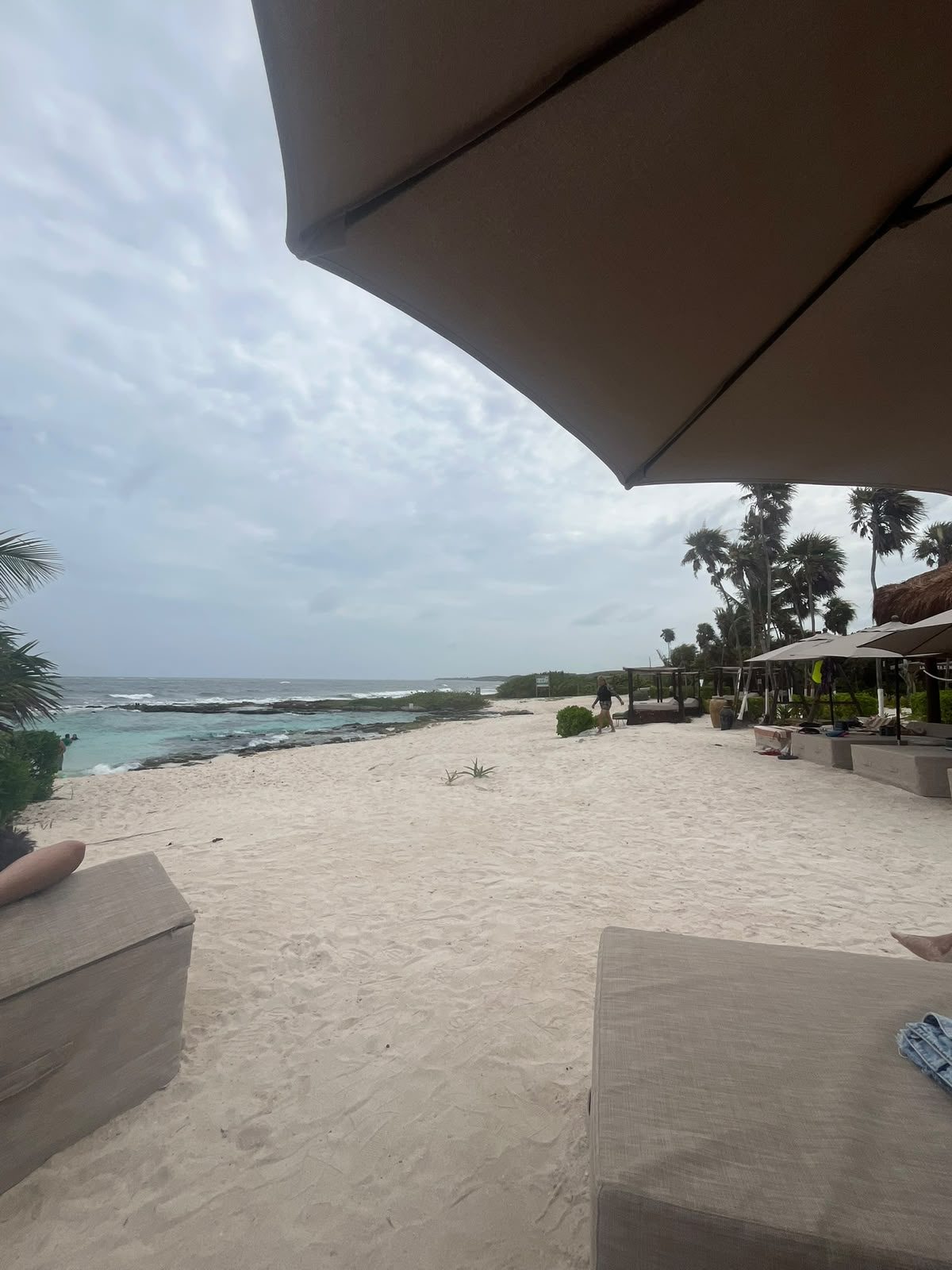
If you take away just one thing from this article, make it this. Of everything we did in eleven days, what I recommend most is Xpu-Há beach, between Tulum and Playa del Carmen.
The setup throws you off at first: they charge MX$250 per person to get in. Sounds like a rip-off. But those MX$250 become credit to spend inside, so you’re not really paying an entrance fee, you’re paying for your food in advance.
Dishes cost MX$180–220, so the credit covers a plate and leaves you something for drinks. And the clincher: they had 3-for-1 beers. I think they were about MX$50, I don’t remember the exact price, but for that price you got three.
Our real bill for the day, for the two of us: MX$500 in entry fees turned into credit, two plates, the 3-for-1 beers, and in the end I paid about MX$10 over the credit. A full beach day for two for MX$510 or MX$520. The food? Tasty without being memorable, it does the job. And if you go with friends planning to drink a good number of beers by the sea, that 3-for-1 is gold.
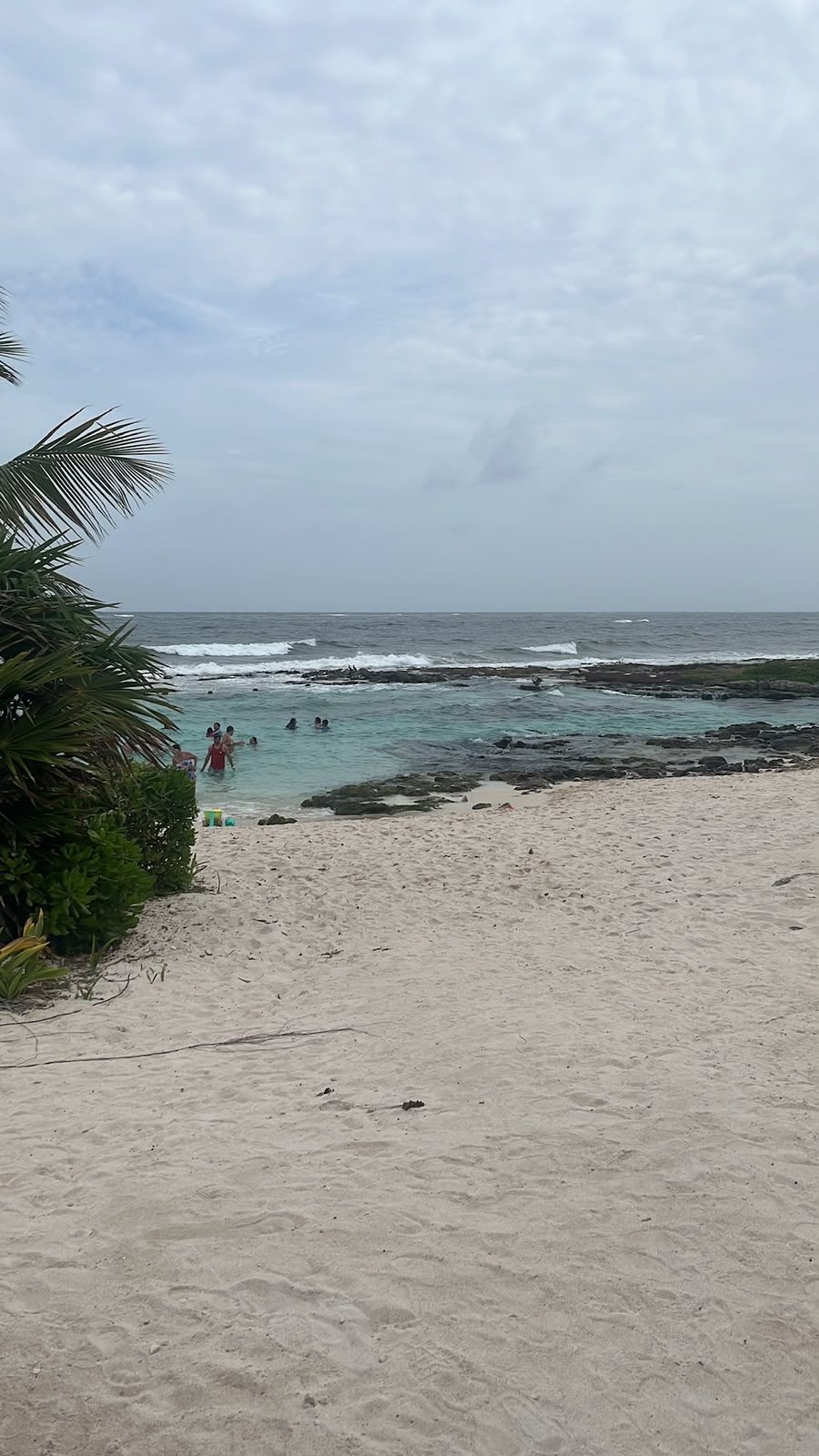
And the beach itself is one of the prettiest I’ve seen: zero sargassum, which is no small thing in the Caribbean, clean and wonderful water, everything well kept. There’s a natural pool among the rocks where people stay for hours. The zanates walk between the loungers like they own the place; with so few people, they practically do.

If you want fresh water as well as the sea, the area has several of the best cenotes (natural freshwater sinkholes) in Tulum, which for me are still the most special thing in the whole region.
The Nightlife Goes to Bed Early
Downtown there’s not much partying, no question about it. The real scene is in the club zone. This time we didn’t go out at night, but last year we did, and since from what we saw things haven’t changed much, I’ll tell you about that experience.
We went to one of those afternoon clubs, a pretty good one. A medium-sized crowd, a spectacular setup, lights everywhere. And by around 9 p.m. they were already closing everything. We left wanting to keep going and didn’t find much: we ended up at a restaurant that looked designed for dancing inside, and it was also half empty. Prices there don’t take a break: drinks from MX$180 to MX$200 and plates that reach MX$350.
Taxis: Tulum’s Real Mafia
By far the most painful expense of the trip. Taxis charge outsiders a fortune and don’t even hide it: the drivers themselves told us the base fare for non-locals is MX$500 for a ride of about 20 or 25 minutes. Five hundred pesos. In Mexico City (CDMX) that’s unthinkable.
Uber? When I went it didn’t work, and neither did DiDi: the only app was inDrive, so there was little room to negotiate. Update: Uber started operating in Tulum and Playa del Carmen on October 20, 2026; I explain how it works in Uber in Tulum and Playa del Carmen. My advice: handle day-to-day trips on foot or by bike from downtown, and save taxis for the rides that are really worth it. In my guide to things to do in Tulum you have the full map to plan your days without depending on them so much.
Will Tulum Disappear as a Destination? I Don’t Think So
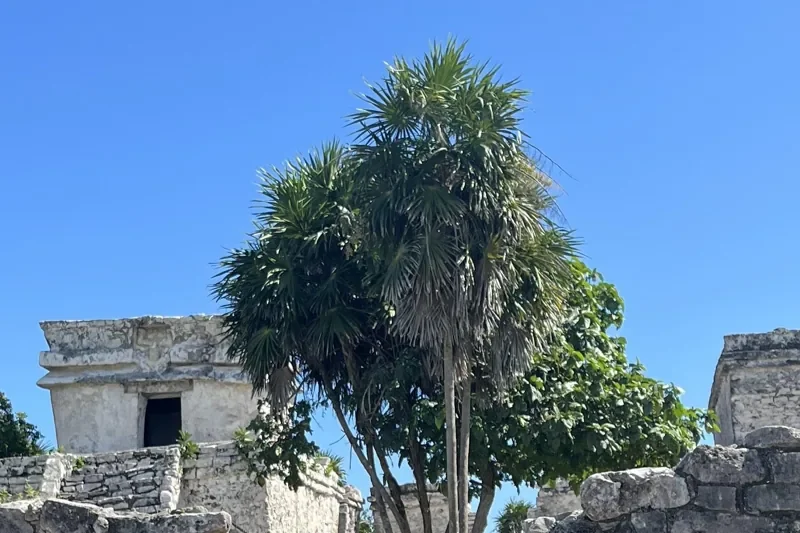
There are signs the airlines haven’t completely forgotten Tulum: Mexicana de Aviación will add 24 flights to Tulum in the winter season. And if you go, check the Tulum ruins entrance fee and hours.
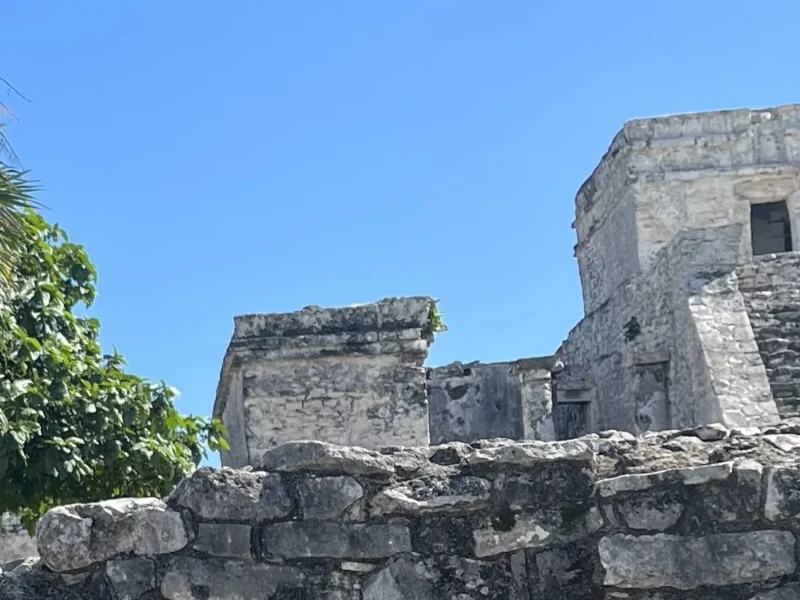
People asked me several times when I got back, and my answer is no. Tulum is too beautiful to die: the beaches are some of the best I’ve seen, cenotes like these don’t exist anywhere else in the world, and the mix of jungle, sea and ruins is still there, intact.
What I see is a readjustment. The boom inflated prices to the point of absurdity, people got tired and went to other destinations, and now Tulum is in that awkward moment of high prices and empty tables. Sooner or later prices will have to give, tourism will come back, and we’ll see packed beaches and full venues again. Meanwhile, whoever travels today gets paradise without the lines.
What We Spent in Tulum: The Trip’s Numbers
These are the prices we paid or saw in early 2026, the same ones I told you about above, put together so you can build your budget. The restaurant and club prices are from the menu; the taxi price is the fare the drivers quoted us.
| Item | Price (Mexican pesos) | Note |
|---|---|---|
| Plate at a famous restaurant | About MX$350 | It didn’t drop even with fewer people |
| Drink at a restaurant or club | MX$180–200 | |
| Beer on the beach | MX$50–60 | |
| Xpu-Há entry | MX$250 per person | It becomes credit to spend inside |
| Plate at Xpu-Há | MX$180–220 | |
| Beer at Xpu-Há | 3-for-1, about MX$50 | I don’t remember the exact price |
| Full day at Xpu-Há, for two | MX$510–520 | Our real bill: the MX$500 in credit plus a few pesos |
| Taxi ride of 20 to 25 minutes | MX$500 | Base fare for non-locals |
Taxis weigh the most: two rides in one day already add up to MX$1,000, more than our whole beach day cost. That’s why it pays to sleep downtown and get around on foot or by bike.
So, Is Tulum Worth Visiting in 2026?
Yes. This comes from someone who paid outsider taxi fares and would still go back tomorrow. But go with a strategy:
- Give it 6 or 7 days: beaches, cenotes, ruins and at least one day of doing nothing. If you’re short on time, my 3-day Tulum itinerary squeezes in the essentials.
- Stay downtown, get around on foot or by bike and ration the taxis.
- Look for beaches with a credit system like Xpu-Há and take advantage of the drink promos.
- The famous restaurants, only if your wallet agrees: they still charge like it’s the boom.
The “empty Tulum” isn’t a tragedy: it’s the best window you’ll get in years to see it without elbowing anyone. Just go with your numbers clear and leave some room for the 3-for-1.
Frequently Asked Questions About Tulum in 2026
Is it true that Tulum is empty?
Yes. I went this year and there are far fewer people than you’d imagine: beaches with plenty of space, clubs at half capacity and places that are completely empty. There are tourists, but nowhere near the boom years.
Have prices in Tulum dropped now that there are fewer tourists?
In general, no. The famous restaurants and clubs keep their prices high: drinks from MX$180 to MX$200 and plates up to MX$350. What you do find are one-off deals on lodging, food and above all drinks, like 3-for-1 beers at some beach clubs.
Which beach near Tulum without sargassum do you recommend?
Xpu-Há. When we went there was no sargassum at all, the water was clean and everything was well kept. Entry costs MX$250 per person, which becomes credit to spend inside; with the 3-for-1 beer deal, our full beach day came to about MX$510–520 for two.
Is there Uber in Tulum?
Yes, since October 20, 2026: Uber started operating in Tulum and Playa del Carmen. When I went, in early 2026, there was no Uber or DiDi and the only app was inDrive. Local taxis charge visitors a lot: the base fare for non-locals is around MX$500 for 20–25 minute rides, according to the taxi drivers themselves.
How many days do I need to see Tulum?
Ideally 6 or 7 days for beaches, cenotes and ruins without rushing and while watching your budget. If you have less time, a well-planned 3-day itinerary covers the essentials.
Is Tulum worth visiting in 2026?
Yes. It’s still a paradise and traveling now has real advantages: no crowds, no lines and promotions that didn’t exist before. Just keep an eye on your budget: taxis and the well-known restaurants are still expensive.
This English version is a translation of my Spanish guide, made with AI assistance and checked against the original for prices, hours, dates and links. Leer en español

José G.
José G. is a Peruvian traveler who lives in Mexico. Born in Lima and Mexican by adoption, he travels around Mexico and Latin America and writes about what he tries first-hand: where to eat, which museums are worth it, where to stay and what everything really costs. He loves good food, museums, soccer and traveling as a couple. He writes with real prices and honest opinions, and he does not recommend places he has not been to.
How I made this guide: I went in person, and the 8 photos credited “Photo: José G.” are mine. If something did not convince me, I say so.
Keep planning
Things to Do in Tulum in 2026: Ruins, Cenotes and Beaches
3-Day Tulum Itinerary 2026: Schedule and Budget